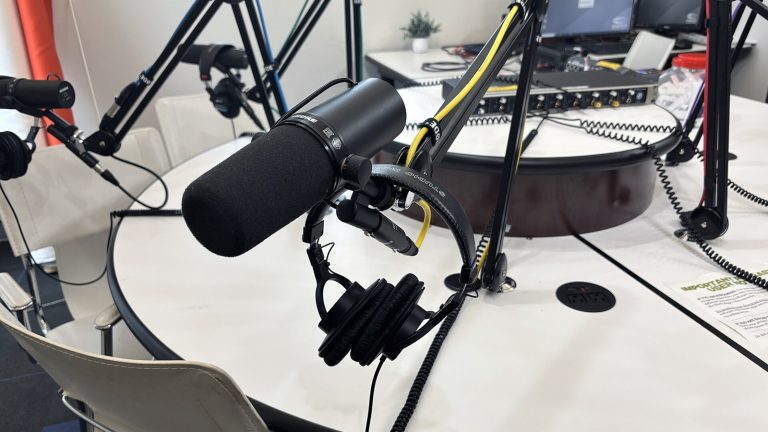
The stereotype of the twenty-something backpacker furiously typing on a cracked laptop beside a hostel pool never matched the whole truth—and by late 2026, it barely resembles the average digital nomad at all. Across coworking hubs from Valencia and Chiang Mai to Tokyo and Fukuoka, the fastest-growing cohort of location-independent professionals sits in their mid-to-late thirties: software engineers, consultants, product managers, and specialized finance or marketing leads who want international living without sacrificing deep-work output or legal compliance.
Two forces converged to make that lifestyle mainstream heading into 2027. First, burnout from frantic three-day city hops pushed remote workers toward “slow travel”—settling into one neighborhood for six weeks to six months at a time to protect reliable fiber internet, ergonomic workspaces, and genuine local friendships. Second, governments stopped looking the other way on tourist-visa loopholes: more than 40 countries now offer formal digital nomad or remote-worker visas with explicit income rules, insurance mandates, and legal residency pathways.
Three Benchmark Visas Shaping 2026–2027 Nomad Plans
While dozens of nations advertise remote permits, three major destinations illustrate just how differently countries price and structure the trade-off between stay length, paperwork, and income thresholds:
| Destination / Program | Stay & Renewal Structure | Core Financial / Eligibility Benchmark | Key Practical Catch |
|---|---|---|---|
| Spain Digital Nomad Visa | Up to 3-year residence permit | ~€2,849/month (~€34,188/yr) + degree or 3 yrs experience | Work must be for non-Spanish entities (tight local cap) |
| Thailand Destination Thailand Visa (DTV) | 5-year multiple-entry; 180 days/entry (+180-day ext.) | 500,000 THB+ savings held continuously (~3 mos) | Consular proof of genuine remote work or soft-power study |
| Japan Digital Nomad Visa | Up to 6 months; non-renewable on-site | 10 million JPY annual income + 10M JPY medical insurance | No Zairyu residence card; 6-month reset outside Japan |
Look closely at the rules published by each government, and the differences jump straight off the page. According to official Spanish consular guidance via the Ministry of Foreign Affairs (Spain), Spain’s Digital Nomad Visa suits remote employees and freelancers aiming for true multi-year European residency—requiring roughly €2,849 per month in foreign earnings alongside university credentials or three years of documented experience, and granting up to a three-year permit.
By contrast, Thailand’s popular Destination Thailand Visa (DTV) takes a flexible “multi-season base” approach: valid for five years with multiple entries of up to 180 days each (extendable once locally by another 180 days), backed by at least 500,000 THB in verified bank savings and remote employment contracts or approved Thai soft-power enrollment. Meanwhile, Japan targets higher-earning short-term stays: as detailed by the Immigration Services Agency of Japan and Japan’s Ministry of Foreign Affairs, applicants from eligible visa-exempt treaty nations must show at least 10 million JPY in annual income plus 10 million JPY in private medical coverage for a six-month stay—and importantly, receive no long-term residence card, meaning apartment leases typically rely on furnished short-stay housing.
Why Hospitality and Slow-Stay Infrastructure Caught Up
Once remote professionals stopped bouncing airports every Sunday, short-term landlords, boutique hotels, and co-living operators noticed what actually sells a 60-day booking: not infinity pools, but two-desk floor plans, external monitor rentals, 500 Mbps symmetric fiber with failover, and sound-isolated call booths. Co-living residences across Southern Europe and Southeast Asia now routinely advertise ergonomic task chairs and quiet-floor work policies right alongside kitchen specs, recognizing that mid-career guests prioritize deep-work stamina over nightly pub crawls.
The financial math of slow travel often surprises first-timers, too. Booking 60- to 90-day stays directly with co-living operators or furnished apartment hosts frequently unlocks 25 to 40 percent monthly discounts compared with fragmented two-week bookings, while slashing airport transit overhead and giving workers time to learn local transit cards, grocery rhythms, and reliable time-zone overlap schedules with home-office colleagues. Instead of spending every second Friday packing suitcases and hunting for usable Wi-Fi passwords, slow travelers preserve Monday-through-Friday deep work and save weekend energy for regional trains and local exploration. Even modest quality-of-life routines—like finding a neighborhood gym, cooking at home four nights a week, and keeping a consistent morning coffee spot—dramatically reduce the cognitive drag that turns rapid nomadism into exhaustion.
Still, slow travel demands sharper upfront due diligence than a two-week vacation. Before locking in a winter base for 2027, verify four non-negotiables: first, confirm your employer’s HR team formally approves working from that specific country under tax and data-security rules; second, check apostille, criminal-record, and bank-statement lead times early since consular appointments can take weeks; third, calculate whether spending more than 183 days in one jurisdiction triggers local tax residency or double-taxation reporting; and fourth, carry comprehensive international health coverage that matches visa minimums rather than relying on barebones credit-card trip insurance. Done thoughtfully, formal nomad visas and slow-travel rhythms turn living abroad from a chaotic stunt into a steady, sustainable, and repeatable way to work and live well abroad.