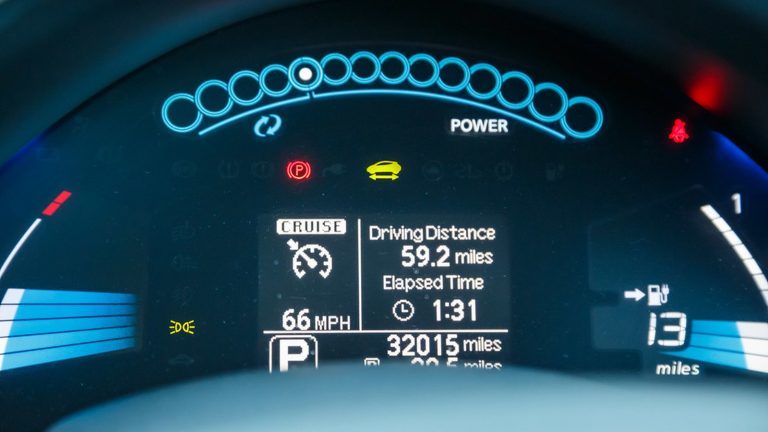
Every late November, as frost creeps across North America and northern Europe, first-time electric vehicle drivers experience the exact same unnerving moment: they unplug at 85% or 90% on a freezing morning, glance at the dashboard, and watch estimated range tick downward far faster than miles accumulate on the trip odometer. Add a sluggish 25-minute wait at a DC fast charger that normally peaks in half the time, and it is completely natural to wonder whether winter cold is quietly ruining a $15,000 battery pack.
The short answer from battery engineers is reassuring: winter cold is a temporary efficiency tax, not permanent damage—provided you understand what your Battery Management System (BMS) is doing behind the scenes. Here is a clear, real-world Q&A built from cold-weather testing and automaker winter guidance.
Does Freezing Weather Permanently Degrade an EV Battery?
No. As Gridserve’s cold-weather EV testing breakdown explains, low temperatures temporarily slow the electrochemical reactions inside lithium-ion cells, raising internal resistance and reducing how much usable voltage the pack can deliver under load. Once ambient temperatures climb back toward spring norms, your pack’s available range and efficiency bounce right back.
In fact, multi-year fleet telemetry consistently shows the opposite pattern: sustained extreme heat—especially repeated high-power fast charging during 100°F summers without active liquid cooling—accelerates permanent capacity fade far faster than freezing winters ever do. Cold weather slows batteries down; summer heat ages them.
Why Does Driving Range Drop So Steeply Below Freezing?
Two separate drains stack on top of each other the moment temperatures drop below 0°C (32°F):
- Slower Ion Mobility and Regenerative Braking Limits: Cold electrolyte fluid slows lithium-ion movement between anode and cathode. To protect cell longevity, your vehicle temporarily restricts regenerative braking until the pack warms—meaning kinetic energy you normally capture at stoplights dissipates as friction brake heat instead.
- Cabin and Battery Thermal Loads: Combustion engines waste two-thirds of their fuel as heat, giving gas cars cabin warmth essentially for free. An EV must pull stored electricity directly from its high-voltage pack to run a heat pump or resistive heater—while simultaneously warming the battery coolant loop and pushing through denser cold winter air on the highway.
That thermal math explains why vehicles fitted with modern heat pumps lose noticeably less winter range on 15-minute suburban errands than older EVs relying purely on resistive PTC heaters, though both still feel a 15%–30% winter penalty on extended sub-zero highway trips.
Why Do Public Fast Chargers Slow to a Crawl in Winter?
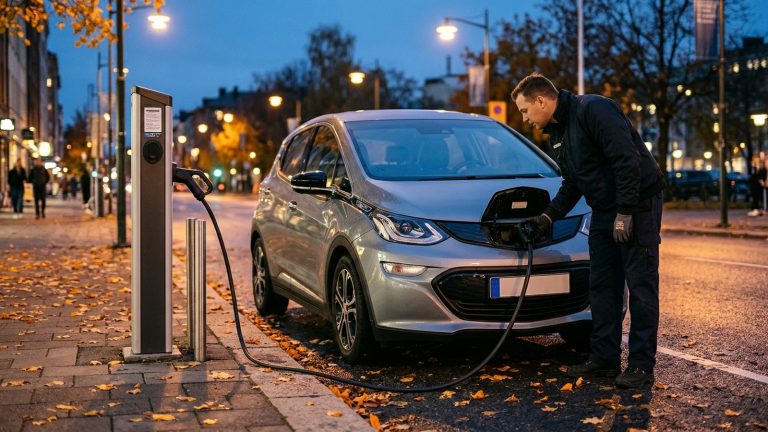
Pulling up to a 150 kW or 350 kW DC fast charger with a cold-soaked battery and watching the screen stall at 35 kW can feel like a broken dispenser. Most of the time, the hardware is working fine—your car’s BMS is deliberately throttling incoming current.
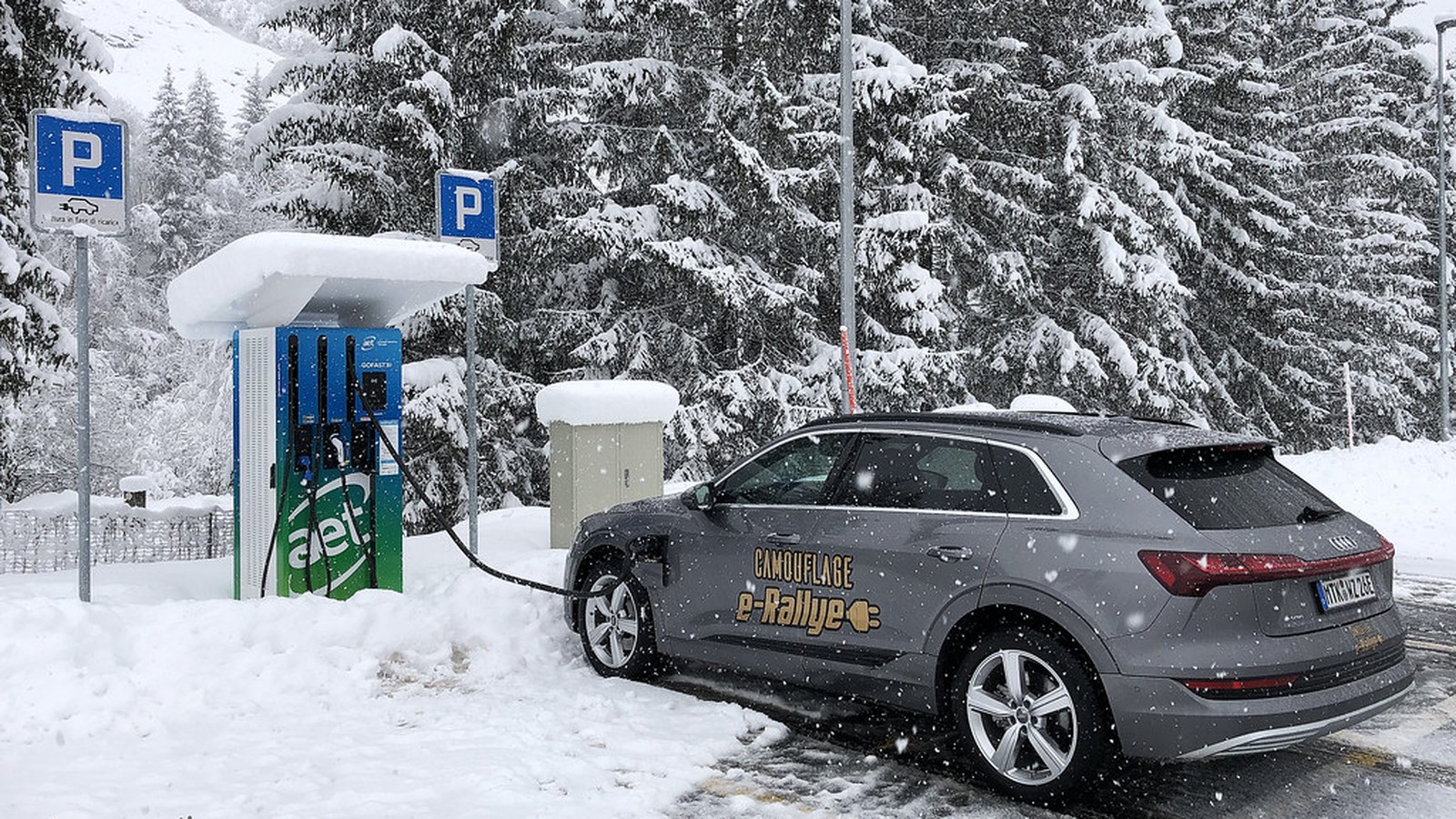
Pumping high-amperage DC power into freezing lithium-ion cells triggers lithium plating along the anode, a chemical side reaction that permanently lowers capacity and introduces internal short-circuit risks. To prevent plating, the car diverts early power to warm the pack first, only ramping charging curves upward once cell temperatures cross roughly 15°C to 25°C. Vehicles equipped with LFP (lithium iron phosphate) packs tend to suffer an even sharper cold-soak penalty than NMC packs unless pre-heated prior to plugging in.
Four Habits That Recover Winter Range and Fast-Charging Speed
Automakers such as Cupra’s winter driving guide and major charging networks like EVgo recommend four simple habits that erase most winter frustration:
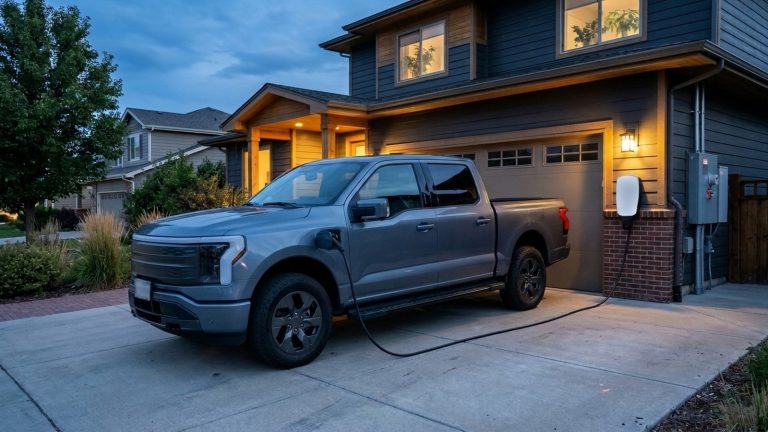
- Precondition While Still Plugged In: Schedule cabin and battery pre-heating in your EV app 20 to 30 minutes before departure while connected to Level 1 or Level 2 home power. Warming the pack on wall electricity rather than stored battery range routinely saves 10% to 15% of morning driving range.
- Route Through the Car’s Native Navigation: Most modern EVs only fire up automatic DC fast-charge battery preconditioning when you set the station as a destination inside the vehicle’s built-in navigation—using Apple Maps or Google Maps over CarPlay often arrives with a cold pack and double the wait time.
- Plug In Immediately After Parking: Your battery pack is warmest right after a highway drive. Plugging in the moment you pull into the garage lets your charger exploit residual pack warmth instead of wasting energy heating a frozen pack at 2:00 AM.
- Rely on Seat and Steering-Wheel Heaters: Direct contact heating pulls 40 to 80 watts versus thousands of watts to heat an entire glass-lined cabin—letting you set cabin climate to 19°C–20°C comfortably on long cold-weather stretches.
How Much Range Should You Actually Budget for Sub-Zero Road Trips?
On mild 20°C days, most drivers can run an EV comfortably down to 10% between highway fast chargers without breaking a sweat. Below freezing—especially in headwinds, slush, or mountain grades—build a conservative 25% to 30% winter range buffer into your trip math. That means planning fast-charging stops around 20% to 25% remaining state of charge rather than stretching to single digits, and keeping a Level 1 portable EVSE cord in the trunk as emergency overnight insurance at relatives’ houses.
One final winter tip that saves both range and tires: check cold tire pressures every time overnight temperatures drop by 10°C. Underinflated winter tires quietly increase rolling resistance by several percent, compounding cold-weather battery drag before you even leave the driveway. Treat thermal prep as routine winter maintenance—just like checking wiper fluid—and an EV handles snow season smoothly without harming long-term pack health.