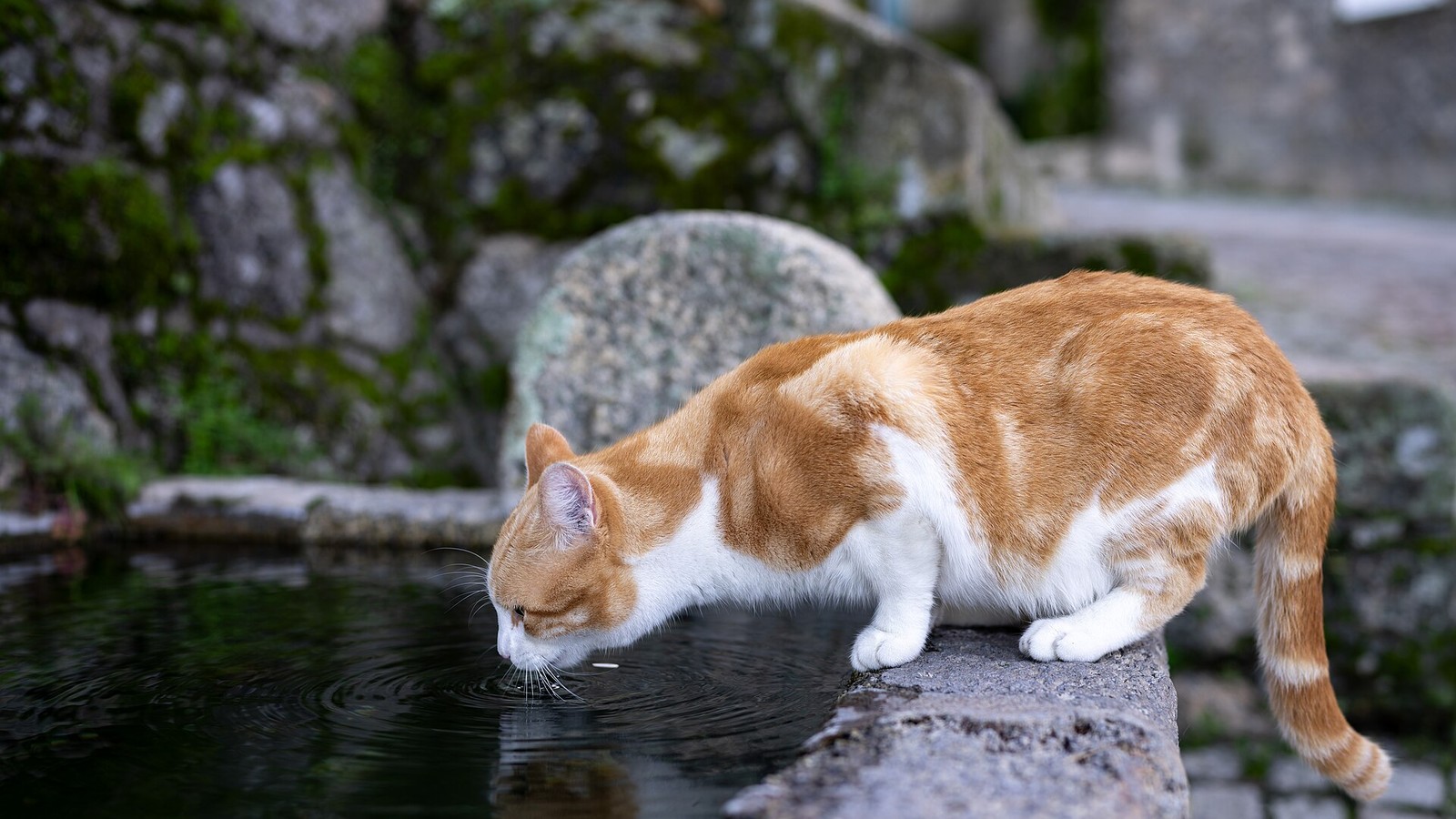
Ask most cat owners whether their pet drinks enough water and they will gesture toward a ceramic bowl beside the kitchen fridge that gets refilled every morning. Yet inside veterinary clinics, chronic low-grade dehydration remains one of the quietest drivers behind two of the most common feline emergencies and long-term diagnoses: painful lower urinary tract crystals and Feline Chronic Kidney Disease (CKD).
The mismatch comes straight down to evolutionary biology. Domestic cats descended from desert-adapted obligate carnivores wired to absorb almost all of their daily water directly from fresh prey—not standing ponds—and that physiological quirk never vanished when dry kibble moved into household pantries.
1. The 7% vs. 80% Moisture Gap Between Dry Kibble and Wet Food
Wild prey averages roughly 70% to 80% water by weight. By contrast, as Just Cats Clinic’s feline nutrition comparison points out, standard dry kibble sits at only 7% to 10% moisture, whereas canned or pouched wet foods deliver roughly 75% to 80% moisture—offering genuine “stealth hydration” inside every bite.
Because cats carry a naturally blunted thirst reflex, a cat fed exclusively dry kibble almost never walks over to the water bowl often enough to make up that 70-point moisture deficit. Total daily water turnover drops, urine grows noticeably more concentrated, and dissolved minerals stay suspended inside the bladder far longer between litter-box trips.
2. Urinary Crystals (FLUTD) and Chronic Kidney Disease (CKD)
That concentration shift carries real medical consequences across every stage of feline adulthood, though the specific threats evolve as cats age:
- Bladder Crystals and Urethral Obstructions: As Phone A Vet’s feline urinary and renal guide explains, concentrated urine (high Urine Specific Gravity) creates prime conditions for struvite or calcium oxalate crystals to irritate the bladder wall—or trigger life-threatening urethral blockages, especially in male cats. Keeping urine diluted with high-moisture diets (alongside prescribed Urinary S/O or Multicare formulas when indicated) is frontline prevention.
- Accelerating Kidney Stress After Age 10: Once senior cats develop early CKD, damaged nephrons lose their ability to concentrate urine, pushing large volumes out into the litter tray and leaving the cat perpetually one skipped drink away from dehydration. As the Purina Institute’s CKD hydration research documents, chronic subclinical dehydration activates vasopressin and the renin-angiotensin-aldosterone system (RAAS), raising filtration pressure inside remaining kidney units and accelerating renal decline.
For cats diagnosed with renal disease, VCA Animal Hospitals’ CKD nutrition guide stresses controlled dietary phosphorus, tailored high-bioavailability protein, omega-3 fatty acids, and wet therapeutic formulations wherever the patient accepts them.
3. The Hidden Senior Trap: Arthritis, Dental Pain, and Bowl Placement
Even attentive owners who buy top-shelf wet food sometimes overlook a simple orthopedic bottleneck: osteoarthritis is widespread in cats over 10, yet cats hide joint stiffness almost invisibly. If your 13-year-old’s only water station sits up on a laundry counter to keep the family dog away—or forces her to crouch beside a rattling washing machine—stiff hips and lower-back pain quietly turn drinking into a chore she skips.
Declining sense of smell and subtle dental pain from feline tooth resorption compound the issue, pushing picky seniors away from hard, cold kibble. Gently warming wet food to near body temperature boosts aroma without irritating sore gums, while senior diets enriched with EPA/DHA omega-3 fatty acids, glucosamine, and chondroitin help preserve joint comfort alongside veterinary pain management.
4. Practical Hydration Upgrades Without Overhauling Your Budget
- Run a Mixed-Feeding Schedule: If an all-wet menu strains your grocery budget or your cat demands crunch, pair two daily wet meals (even stirring a tablespoon of warm water into pate to create a broth) with measured maintenance or prescription kibble.
- Follow the ‘N+1’ Water Station Rule: Place one water bowl per cat plus one extra across quiet, ground-level rooms—well away from litter boxes, busy hallways, and food dishes.
- Switch to Wide, Shallow Ceramic or Stainless Bowls: Deep narrow plastic dishes trigger whisker fatigue and hold stale odors; wide shallow bowls or a quiet circulating fountain encourage noticeably longer drinking bouts.
- Confirm Bloodwork Before Switching to Renal Diets: Always consult your veterinarian for blood chemistry, SDMA, and urinalysis staging before putting any cat onto phosphorus-restricted therapeutic food.
Early Red Flags Worth Mentioning at Your Cat’s Annual Checkup
Because cats disguise kidney discomfort and joint stiffness remarkably well until late stages, track subtle household clues between vet visits: oversized urine clumps in the litter box, sudden preference for drinking from bathroom faucets or shower tiles, reluctance to jump onto favorite sunny windowsills, or pausing mid-meal despite acting hungry. Catching early-stage CKD or urinary crystallization while a cat still eats enthusiastically gives moisture-rich nutrition months or years more runway to protect renal function.
Even simple environmental adjustments—such as low-entry litter trays for stiff senior hips and keeping food elevated slightly on a sturdy non-slip mat—work hand-in-hand with wet-food hydration to protect your aging cat’s daily comfort.