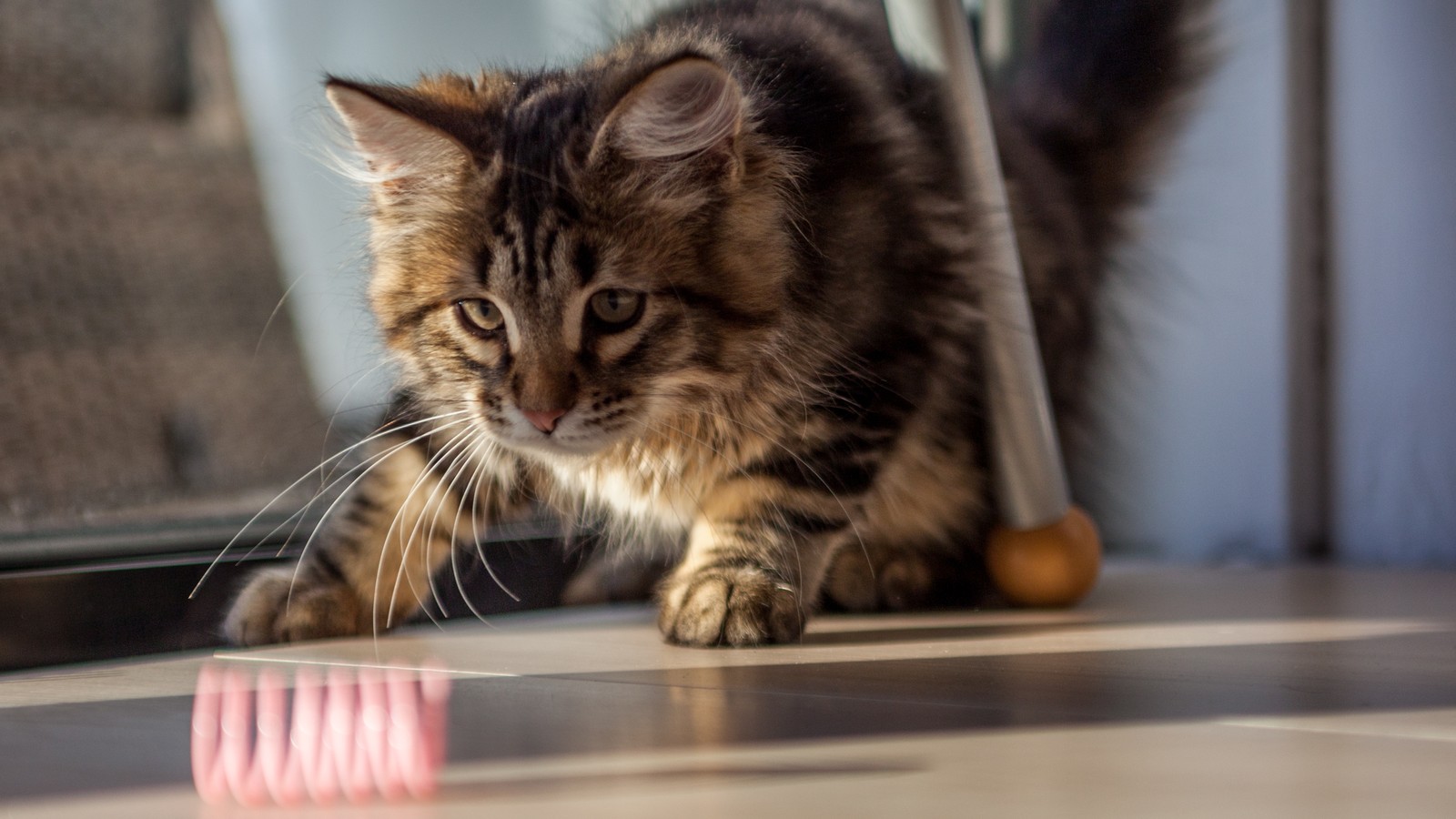
Walk into a newly built veterinary clinic in late 2026, and you’ll notice something subtle right in the lobby: dedicated quiet waiting alcoves, pheromone-diffused feline exam rooms, and staff trained specifically in low-stress cat handling. Those design changes aren’t just thoughtful hospitality—they reflect a measurable demographic shift in who owns pets and what kind of animals are walking through clinic doors.
According to insights shared by the American Veterinary Medical Association (AVMA), Generation Z is reshaping companion-animal care by adopting cats—and diverse small pets—at noticeably higher rates than prior generations at the same life stage. Tighter apartment living, hybrid work schedules, higher pet-deposit fees on large dogs, and solo household budgets have turned independent, apartment-friendly cats into the signature pet of younger urban professionals.
Chronic Care Costs Drive Pet Insurance Out of the Margins
Younger owners may gravitate toward lower-footprint pets, yet they are anything but casual about veterinary spending. Because Gen Z and Millennial households frequently view pets as full family members, a sudden $3,500 emergency endoscopy or lifelong allergy regimen hits household cash flow hard—fueling rapid expansion across the global pet insurance market, with North America accounting for a major share of policy growth.
Claims trends explain why coverage is shifting from an optional splurge to standard risk management. According to retrospective claims analyses from Nationwide Pet Insurance, everyday chronic conditions—led by atopic skin allergies, dental disease, and degenerative arthritis—dominate veterinary claims for both dogs and cats. Unlike one-off puppy mishaps, chronic illnesses require multi-year medications, specialist rechecks, and prescription diets that quietly outstrip emergency savings if bought piecemeal.
How Pet Benefits Entered Corporate HR Packets
Facing fierce competition for early- and mid-career talent, a growing slate of employers has taken notice. Rather than tossing another ping-pong table into an office half the staff visits twice a week, HR teams are adding voluntary or subsidized pet insurance and annual wellness stipends directly alongside dental and vision tiers—turning veterinary coverage into a mainstream workplace perk, as documented in industry analysis from dvm360.
That workplace shift changes veterinary decision-making inside the exam room, too. Clinicians note that insured owners are far more likely to approve early diagnostic imaging, dental extractions, and multimodal pain management rather than deferring care until a condition turns urgent—improving pet longevity while stabilizing clinic revenue across economic ups and downs.
Smart Collars, Litter Telemetry, and Preventive Monitoring
Alongside insurance, connected hardware has become second nature for data-fluent younger owners—especially with cats, which famously hide pain and early illness until symptoms grow severe:
- Biometric and activity collars: Lightweight smart collars track resting respiratory rate, sleep fragmentation, scratching bouts, and subtle mobility drops weeks before an owner notices limping or weight loss.
- Smart litter boxes and hydration sensors: Automated weight and visit-frequency logs alert cat parents immediately when urinary straining or sudden weight shifts hint at FLUTD, diabetes, or early kidney changes.
- At-home diagnostic kits: Direct-to-consumer microbiome, urine-strip, and parasite screening tools give remote workers fast baseline data to share with telehealth or primary-care vets before scheduling stressful carrier rides.
What to Check Before Signing Up for Coverage or Gadgets
Choosing the right policy or connected device still rewards careful comparison rather than impulse buying. Look closely at whether a workplace-offered plan provides direct-to-vet payment or reimbursement-only claims, how annual deductibles reset (per incident versus per year), and whether bilateral knee or dental-illness waiting periods apply. On the hardware side, prioritize devices with reliable offline logging and standard veterinary export reports—so your clinic can actually read three months of resting respiratory or hydration trends during a 15-minute wellness appointment instead of squinting at proprietary app badges.
Clinic design is evolving alongside those owner expectations. Forward-thinking practices increasingly pair quiet feline waiting zones and longer consultation slots with asynchronous pre-visit questionnaires, allowing anxious indoor cats to spend half as much time inside noisy lobbies while vets review weight, appetite, and smart-collar logs beforehand. Younger pet parents also expect transparent digital invoicing, clear preventive wellness bundles, and seamless electronic claim submissions rather than faxed paper reimbursement forms. Practices that still rely on loud mixed-species waiting rooms and opaque surprise invoices quickly lose younger clients to modern neighborhood clinics built around low-stress, transparent care.
For prospective cat or dog owners weighing a workplace pet plan or consumer policy in 2026, two rules prevent policy surprises. First, enroll pets young—before skin allergies, urinary blockages, or dental resorption show up in medical charts as permanent pre-existing exclusions. Second, read reimbursement caps, annual payout ceilings, and orthopedic waiting periods closely: an inexpensive accident-only plan looks great until chronic allergies or inflammatory bowel disease become the actual bills hitting your credit card. Paired with simple preventive telemetry—like weighing your cat monthly, logging water intake, or catching subtle litter-box changes early—modern pet ownership lets even small-apartment renters deliver hospital-grade care with far less financial panic.