For years, the most stubborn question hovering over the secondhand car lot wasn’t whether an electric vehicle feels brisk at 15,000 miles—it was what happens once the odometer rolls past 100,000. Skeptics routinely warned that aging electronics, heavy curb weights, and complex thermal loops would turn high-mileage EVs into expensive repair headaches once factory warranties expired.
New large-scale inspection data from the United Kingdom is turning that assumption upside down. According to a landmark study commissioned by the British Vehicle Rental and Leasing Association (BVRLA) and conducted by New AutoMotive across millions of official MOT roadworthiness records—highlighted in Arval Trading’s November 2026 EV market digest—high-mileage electric vehicles between 90,000 and 120,000+ miles recorded roughly a 25 percent lower mechanical failure rate than comparable internal-combustion cars.
What the High-Mileage MOT Data Actually Measures (and What It Doesn’t)
Why do older EVs clear mandatory safety and mechanical inspections more reliably than gas or diesel counterparts? The answer comes down to parts count and regenerative braking. Without multi-speed transmissions, timing belts, exhaust after-treatment systems, fuel injectors, clutches, or oil leaks to trigger inspection failures, electric drivetrains eliminate dozens of wear points that historically plague cars past the 90,000-mile threshold. Even brake pad wear drops dramatically thanks to one-pedal regenerative deceleration.
That said, serious used-car shoppers should still read the fine print carefully. Standard MOT roadworthiness tests verify brakes, suspension, tires, steering, and structural safety—they do not measure battery state-of-health (SoH) degradation. An EV can pass a mechanical inspection effortlessly while carrying a traction battery down to 82 percent of its original capacity. Still, for fleet managers, ride-share drivers, and budget-minded families eyeing used electric crossovers, the mechanical durability numbers remove one of the biggest barriers to buying second-hand.
Fewer moving drivetrain parts aren’t just a marketing talking point on showroom spec sheets—at 100,000 miles, they show up directly on inspection pass rates.
From Used Cars to Heavy Freight: The Megawatt Charging Pivot
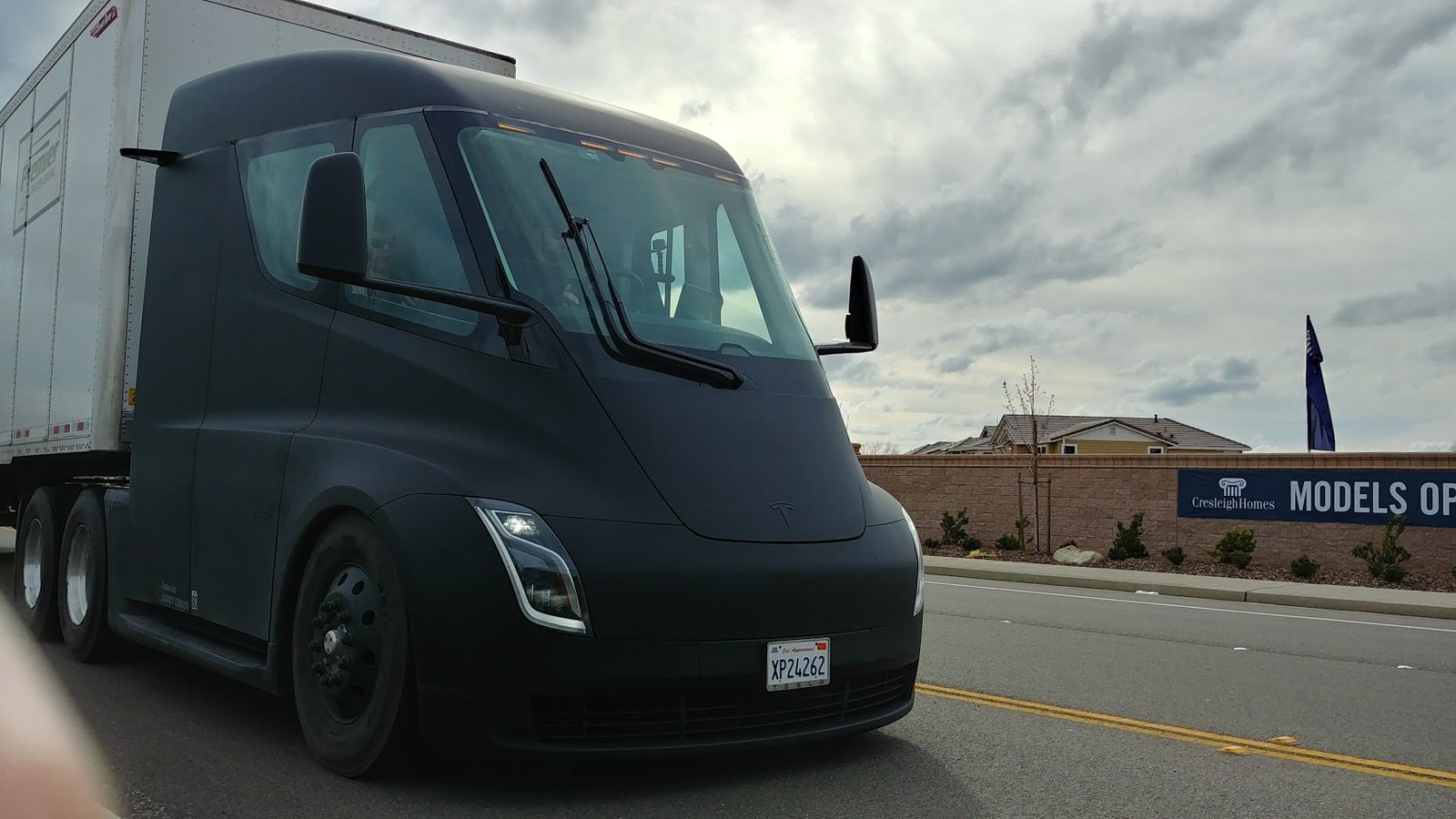
That same durability math is now driving a much bigger industrial shift in commercial trucking. While passenger EVs largely solved overnight home and 150–350 kW highway charging years ago, long-haul freight operators remained boxed in by physics: an 80,000-pound semi-truck cannot afford to sit idle for three hours mid-route without wrecking driver hours-of-service schedules and fleet utilization.
In late 2026, attention across commercial fleet engineering has zeroed in on the **Megawatt Charging System (MCS)** standard, as noted in Mobility Global’s electric-vehicle industry analysis and recent global powertrain forecasts. Designed to deliver megawatt-class power during mandatory driver rest breaks, MCS hardware allows heavy electric trucks to replenish hundreds of miles of range in roughly 30 to 45 minutes—shrinking the downtime gap with diesel refueling.
What Fleets Must Solve Next
Rolling out megawatt chargers along freight corridors is far more complicated than dropping passenger stalls behind a grocery store. Logistics hubs and highway rest plazas face three real-world engineering bottlenecks:
- Utility grid capacity: Feeding multiple megawatt-scale bays simultaneously demands dedicated substation upgrades or on-site stationary battery buffers to avoid spiking local utility demand charges.
- Thermal management under extreme loads: Liquid-cooled cables, connectors, and truck battery packs must shed enormous heat safely without throttling charge curves mid-session.
- Standardized battery diagnostics: Just as used passenger EV buyers want transparent SoH certificates alongside MOT records, commercial fleet financiers require standardized battery longevity telemetry to underwrite seven-year truck leases.
Why Both Stories Belong Together
Looking at used-EV MOT records alongside commercial megawatt trucking highlights how rapidly electric vehicles are maturing out of their early-adopter phase. In consumer markets, the conversation is shifting from “Will the battery survive the warranty?” to “How cheaply can a 100,000-mile EV run as a second owner’s daily commuter?”—where a 25 percent lower mechanical failure rate translates directly into fewer surprise garage bills. Fleet remarketers and leasing companies are watching that data closely, because stronger residual confidence at year five or six lowers monthly lease payments for first-time buyers today.
In freight, electric vans and trucks are outperforming baseline growth forecasts as megawatt hardware tackles the final operational excuse for sticking with diesel on predictable regional corridors. Once depot operators pair high-power chargers with off-peak stationary storage, total cost per kilometer starts favoring electric drivetrains even before factoring in tightening urban low-emission zones. Even regional logistics fleets that previously wrote off battery rigs as science experiments are quietly ordering pilot tractors once they see real-world duty-cycle numbers.
For buyers considering a high-mileage used EV today, the smartest checklist pairs that reassuring MOT durability record with a quick OBD-II or dealer battery-health readout, verified DC fast-charging behavior, an inspection of cabin heat-pump operation, and a close look at suspension bushings and tires—the parts that actually carry extra EV weight. Do those checks cleanly, and a 100,000-mile electric car looks less like a gamble and more like one of the sturdier bargains on the lot.