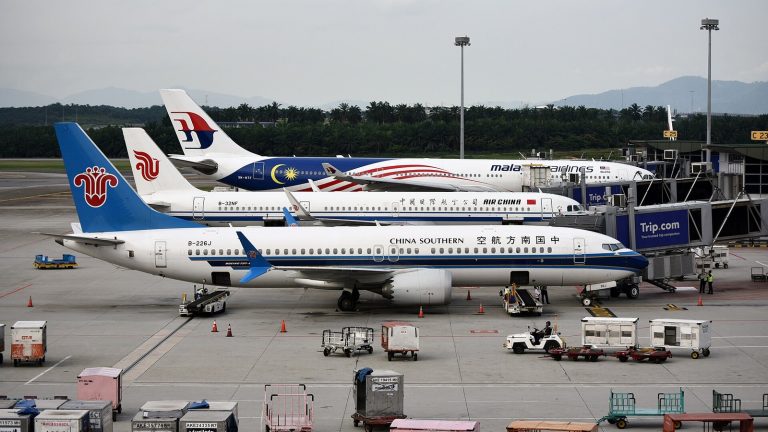
Showing up at the airport on Thanksgiving Day without checking your airline app first is risky even in mild autumn weather. On November 26, 2026, it is practically asking for an unplanned evening camped beside a charging pillar at Gate B14. A rapidly strengthening coastal storm system marching up the U.S. Eastern Seaboard is bringing heavy downpours, coastal flooding, and wind gusts approaching 60 mph—prompting four major U.S. airlines to issue flexible change-fee waivers across Northeast and Mid-Atlantic hubs.
At the very same moment, international passengers flying into North America face an entirely separate check-in hurdle that catches unprepared flyers off guard every week: mandatory pre-departure health attestations for U.S.-bound flights, strict Canadian border controls tied to Central and East African Ebola monitoring, and digitized passport-application workflows at busy overseas consulates.
Airline Storm Waivers: Which Airports and Rebooking Windows Are Covered
As KARE 11’s weather-waiver roundup and Men’s Journal travel reporting confirm, major carriers opened rebooking windows early so Thursday passengers can slide out of the storm’s path before ground stops cascade nationwide:
- Delta Air Lines: Covers nine East Coast airports—Boston (BOS), New York (JFK and LGA), Newark (EWR), Philadelphia (PHL), Baltimore (BWI), Washington Dulles (IAD), Reagan National (DCA), and White Plains (HPN)—for November 26 travel. Change fees and fare differences are waived for rebooked itineraries completed on or before November 28, 2026, or passengers may cancel for an eCredit.
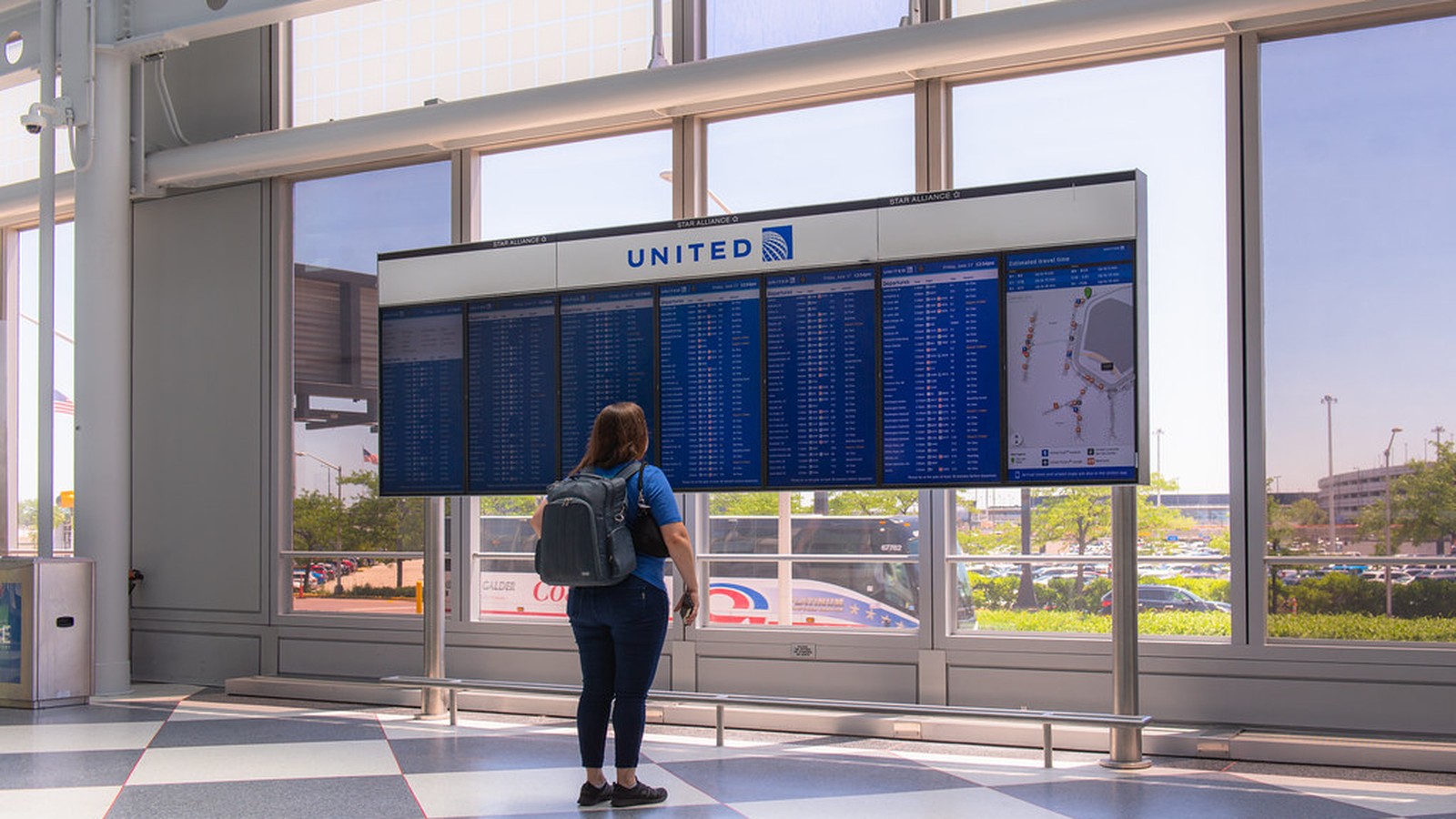
- United Airlines: Applies to tickets purchased on or before November 24 for November 26 departures across BOS, BWI, DCA, EWR, IAD, LGA, and PHL. Both change fees and fare differences are waived when moving into the same cabin between the same city pairs from November 25 through November 28.
- American Airlines & Southwest: American waived change fees for November 26 Northeast flights purchased by November 23 across Washington-to-Boston hubs, letting travelers shift dates from Wednesday through Sunday. Southwest opened fee-free rebooking within a 14-day window across roughly half a dozen East Coast airports, alongside refund options on severely disrupted itineraries.
One golden rule applies across every carrier: storm waivers work cleanly when you rebook inside the airline’s mobile app or manage-booking portal before your flight cancels or boards. Wait until 200 stranded passengers form a single snaking line at a customer-service counter, and open seats for Friday and Saturday return flights will vanish in ten minutes flat.
Border Check-In Friction: U.S. Health Attestations and Canada’s Ebola Controls
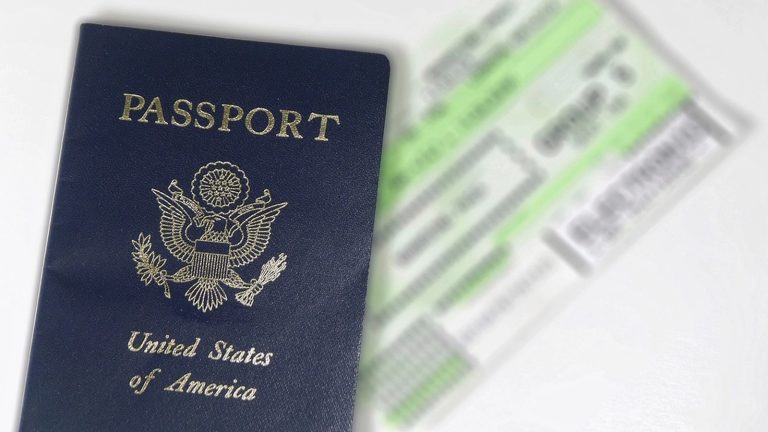
Domestic crosswinds are only half of this week’s travel friction. International airlines operating U.S.-bound routes—highlighted in pre-travel documentation notices such as British Airways’ passenger documentation guidance—are strictly enforcing U.S. government travel-history declarations and health attestations linked to regional disease-control rules. Flyers who skip those pre-departure digital check-in prompts risk automated boarding-pass blocks at the gate even with valid visas and passports in hand.
Just north of the border, Canada’s public-health border measures remain active for travelers with recent presence or transit through the Democratic Republic of the Congo, Uganda, and South Sudan, carrying mandatory public-health screening and temporary entry-document suspensions for affected foreign nationals. Meanwhile, American expats and travelers renewing passports overseas—including in Manila, where the U.S. Embassy now enforces mandatory online form-filler submissions—should verify digital paperwork days before any scheduled consular visit.
Four Practical Steps Before Leaving for the Terminal This Weekend
- Track Inbound Aircraft, Not Local Skies: Even if your departure airport is dry and calm, an inbound jet delayed earlier in Newark, JFK, or Boston can trigger a three-hour rolling delay on your afternoon leg.
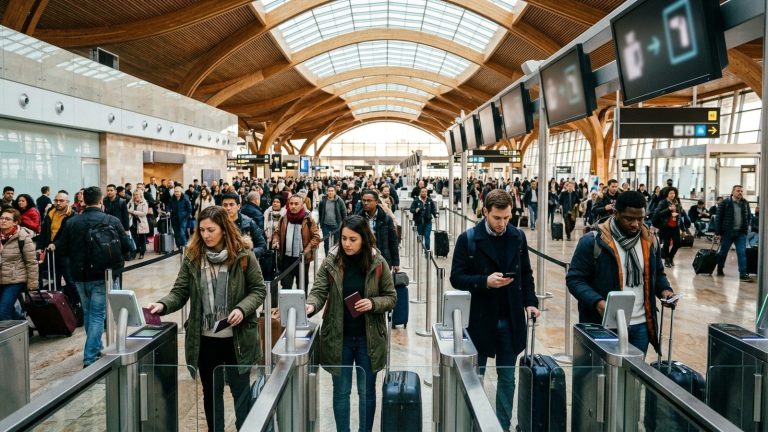
- Finish Advance Passenger Information (API) 24 Hours Early: Complete every passport, transit-history, and health attestation screen inside the airline app before arriving at the terminal so kiosk errors never stall bag drop.
- Pack 48 Hours of Essentials in Your Personal Item: Whenever you accept a same-day storm reroute or tight connection, keep prescription meds, chargers, glasses, and a fresh shirt under the seat in front of you—checked luggage rarely clears rapid aircraft swaps on time.
- Monitor Separate-Ticket Connections Carefully: If you booked a domestic positioning flight separately from an international long-haul ticket, consider shifting the domestic leg a full day earlier under this week’s waiver so a missed connection does not void your overseas itinerary.
Know Your Cash Refund vs. Travel Credit Rights During Storm Cancellations
Finally, if the storm cancels your flight outright—or triggers a significant schedule delay of three hours or more domestically (six hours internationally)—do not automatically accept an expiring airline travel voucher unless you actually want one. Under U.S. Department of Transportation consumer rules, passengers whose flights are canceled or significantly disrupted and who choose not to travel are entitled to a full cash refund to their original payment method, even on nonrefundable basic economy tickets. Meanwhile, if you decide to ride out the delay and rebook under a voluntary weather waiver before cancellation, check whether your travel credit card includes trip-delay reimbursement for hotel rooms and meals once delays cross six to twelve hours.
Sources & Further Reading
- KARE 11 — Airlines Waive Flight Change Fees as Thanksgiving Storm Threatens East Coast
- Men’s Journal — Delta, United, and American Northeast Storm Waivers Breakdown
- British Airways — Passports, Visas, and Advance Passenger Information Requirements
- Government of Canada — Border Measures for Travelers From Affected Regions