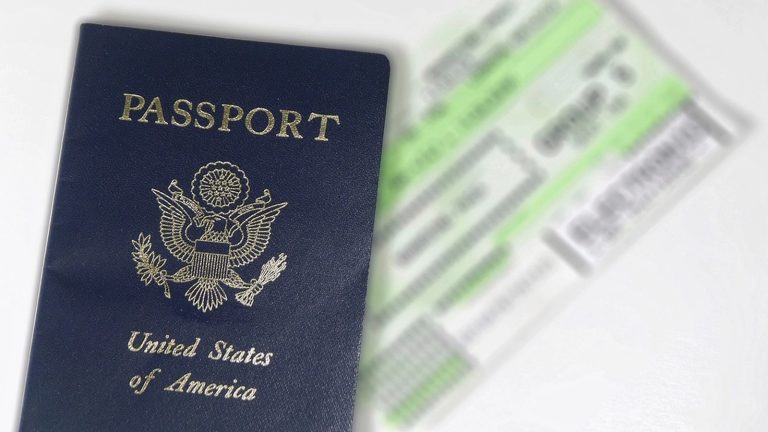
Few travel headaches derail a long-planned European itinerary faster than showing up at an airport check-in counter only to discover that a visa-exempt passport no longer gets you onto the plane by itself. Across 2026, confusion over two similar-sounding acronyms—the United Kingdom’s ETA and the European Union’s ETIAS—has left thousands of international travelers second-guessing which digital permissions they actually need before flying across the Atlantic or hopping the Channel.
As of late November 2026, the rules split cleanly down the English Channel. The UK’s Electronic Travel Authorisation (ETA) is fully live and mandatory for visa-exempt visitors, while the European Union’s long-awaited ETIAS pre-screening system has been pushed back once again—leaving travelers entering the Schengen zone to navigate the EU’s newly operational biometric Entry/Exit System (EES) first before ETIAS launches in 2027.
What the UK ETA Requires Right Now
If your trip includes London, Edinburgh, Belfast, or even connecting through a UK terminal landside, you cannot wing it at Heathrow anymore. According to official guidance published on the UK Home Office Media factsheet, visa-exempt nationals from the United States, Canada, Australia, New Zealand, Japan, and across the European Union must secure an approved ETA prior to boarding any flight, ferry, or international train bound for the United Kingdom.
Practically, the UK ETA is straightforward once you plan ahead, though careless mistakes still catch travelers off guard:
- Fee and validity: The application costs £20 and remains valid for two years—or until your linked passport expires, whichever arrives first—allowing multiple short visits of up to six months each.
- Digital passport linkage: Because the authorisation attaches electronically to your passport number, renewing a passport mid-way through that two-year window automatically invalidates the old ETA.
- Apply before heading to the airport: While many approvals clear within hours via the official app or portal, manual reviews can take several business days, making last-minute applications at the departure gate risky.
Why EU ETIAS Slipped Into 2027—and What EES Means Instead
On the continental side, the story is all about sequencing. On the official European Union ETIAS portal, Brussels confirms that ETIAS is not yet operational and no official applications are currently open. As outlined in the EU’s revised EES and ETIAS timeline and summarized by Navan’s travel compliance guide, full rollout of ETIAS has shifted into 2027.
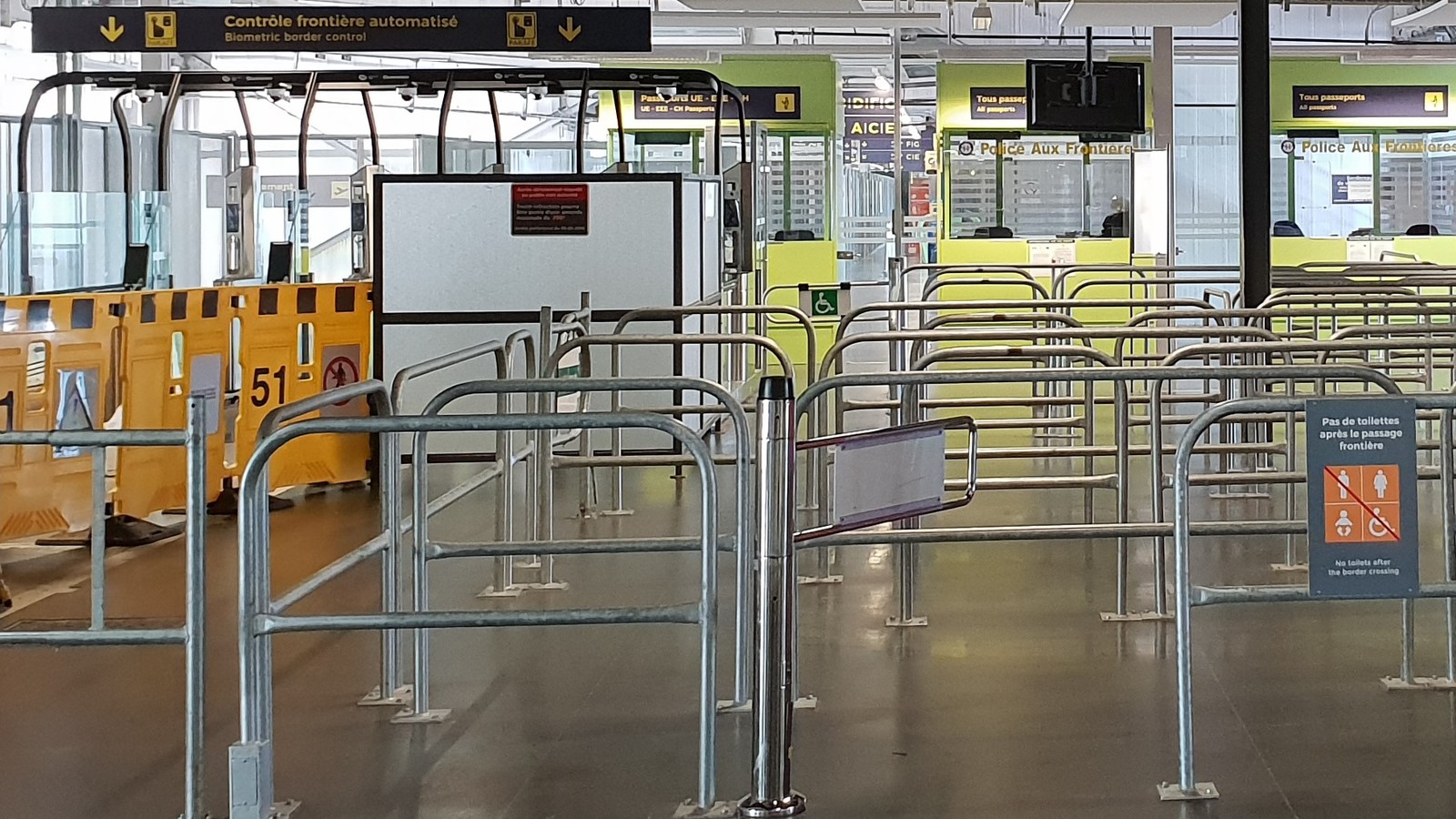
The reason for the delay sits right at Schengen border booths: the EU’s Entry/Exit System (EES). Unlike ETIAS—which is an online pre-travel form you fill out at home—EES is a physical, digital border infrastructure replacing manual ink passport stamps with automated facial-image and fingerprint registration for non-EU short-stay visitors. Stabilizing those biometric kiosks across airports, Eurostar terminals, and land crossings proved essential before Brussels could layer pre-departure ETIAS screening on top.
| System | Region Covered | Status (Nov 2026) | Cost & Key Traveler Action |
|---|---|---|---|
| UK ETA | United Kingdom | Live & Mandatory | £20 online; valid 2 years (or passport expiry) |
| EU EES | Schengen External Borders | Operational | Free at border; biometric photo & fingerprint scan replaces ink stamps |
| EU ETIAS | 30 European Countries | Delayed to 2027 | Do NOT pay third-party sites yet; no official portal accepting apps |
Beware Lookalike Scam Sites While ETIAS Is Paused
Delayed border rollouts always create a predictable hazard: unofficial copycat websites ranking in search ads and charging €50 to €100 to “pre-register” travelers for an ETIAS program that isn’t accepting applications yet. Even for the live UK ETA, travelers should apply strictly through official `.gov.uk` channels rather than third-party middlemen that tack on steep service fees for submitting the exact same form.
Meanwhile, travelers flying into Paris, Amsterdam, Madrid, or Rome this winter should budget extra connection time at external Schengen checkpoints. First-time EES biometric enrollment adds a few minutes per non-EU passenger compared with older manual stamping—a minor trade-off once your profile is stored for repeat visits, yet enough to make tight 55-minute international transfers uncomfortable during peak holiday waves.
A Pre-Flight Border Checklist for Winter 2026–2027
Frequent transatlantic flyers should also watch how airline check-in systems enforce these rules before you even reach security. Carriers face steep statutory fines whenever a passenger boards without a valid digital border clearance, which means automated kiosks and gate agents now run real-time Advance Passenger Information checks against the UK ETA database. Even a minor typo—transposing two digits in your passport number or mixing up the letter “O” and the numeral zero—can freeze your mobile boarding pass 24 hours before departure.
Meanwhile, travelers planning multi-country spring trips that pair London with Paris, Amsterdam, or Rome should treat the Channel as two separate compliance regimes: digital pre-clearance on the British side, and in-person biometric registration on the Schengen side.
Before locking in winter or spring European tickets, run three quick checks: confirm whether any itinerary touches a UK airport or rail terminal requiring a £20 ETA; verify at least three to six months of remaining passport validity beyond your planned departure date; and ignore any website claiming to issue EU ETIAS approvals before Brussels formally opens its official application window in 2027. Keeping those two acronyms straight saves both money and unwelcome surprises at the boarding gate.