A healthy-weight plan for a pet is usually less about willpower than about making the daily routine easier to see.
“A little extra” is easy to miss when it arrives in small pieces: a top-up at breakfast, a generous treat after a walk, a second person feeding dinner. The answer is not guilt. It is a clearer routine, agreed by everyone in the household and checked with a veterinarian who knows the animal.
The American Veterinary Medical Association notes that nutrition and exercise both matter, and that a veterinarian can advise on appropriate meals and treats for an individual pet. That individual part is important. Age, breed, medical history, mobility and medication can all change what a sensible plan looks like.
Make the invisible visible for one week
For seven ordinary days, write down everything the pet eats: meals, treats, table scraps, training rewards and chews. Include who gave it and roughly how much. This is not a diet diary to judge later; it is a way to spot patterns you cannot see from memory.
Take the list to a veterinary appointment. Ask about body condition, a suitable target, portion guidance and safe activity. Do not assume that a dramatic cut in food is better. Gradual, supervised changes are kinder and more sustainable.
Design a routine that still feels generous
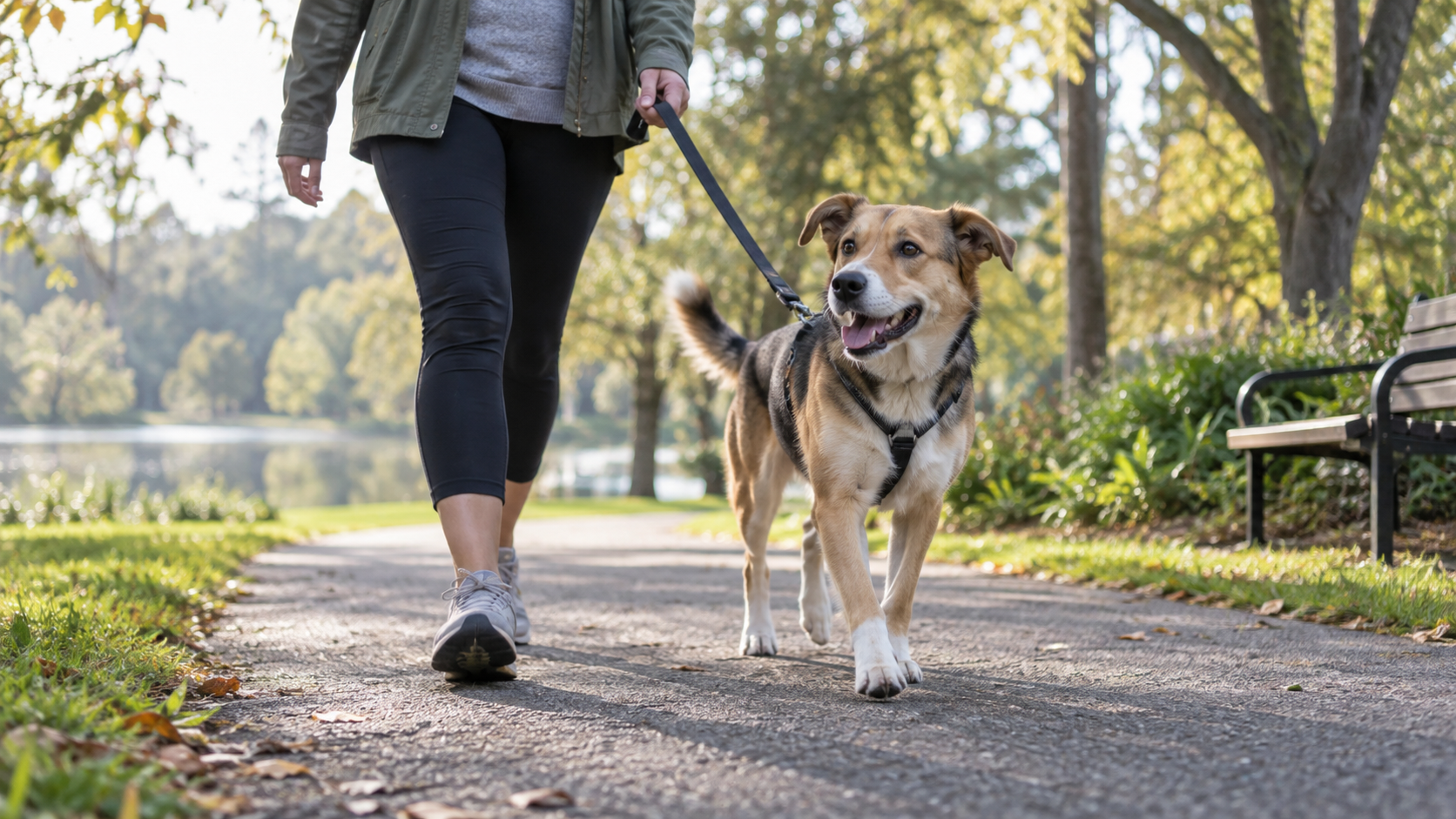
Use measured meals rather than an endlessly topped-up bowl if that suits your veterinarian’s guidance. Reserve some of the regular daily food for training or puzzle toys. Choose an activity the pet already enjoys—short sniff-focused walks for some dogs, play sessions for cats, calm indoor games when weather is poor—and make it repeatable.
For multi-person households, put the plan where everyone can see it. A note on the cupboard can prevent the classic double dinner. If treats are part of the routine, decide the amount before the day begins rather than negotiating it each time.
Watch behaviour as well as the number
A healthy routine should support a pet’s comfort and enthusiasm. New limping, reluctance to exercise, marked changes in appetite or unusual tiredness deserve professional advice. Weight is one part of health, not a moral scorecard.
Sources
Guidance reviewed: American Veterinary Medical Association: National Pet Week. This article is general information and does not replace veterinary advice.
Ask for a plan you can measure
A veterinary conversation about weight should include a starting assessment, a realistic rate of change, meal portions, treats and an activity plan that fits the animal. The number on a scale is useful, but it is not the only measure. Comfort, mobility, energy, appetite and body condition deserve attention too.
Make change boring and consistent
Measure meals with the same tool, agree on treats across the household and weigh or reassess at the interval your veterinarian recommends. Avoid sudden restriction or unapproved supplements. For cats especially, abrupt changes in eating can be serious; contact a veterinarian promptly if a pet stops eating or seems unwell.
Further reading: American Veterinary Medical Association: nutrition and exercise.