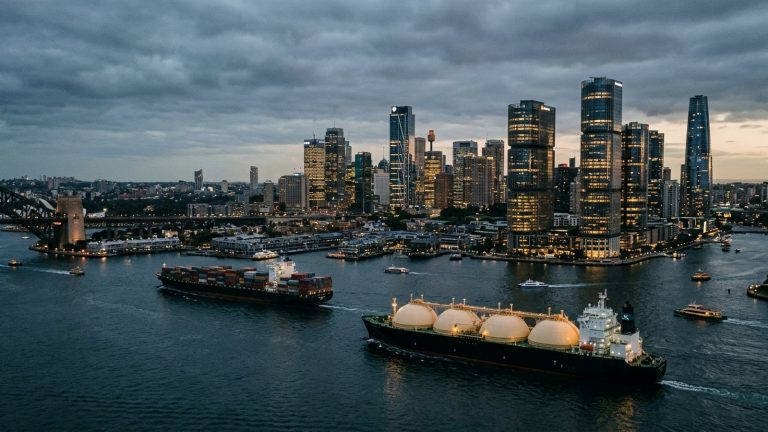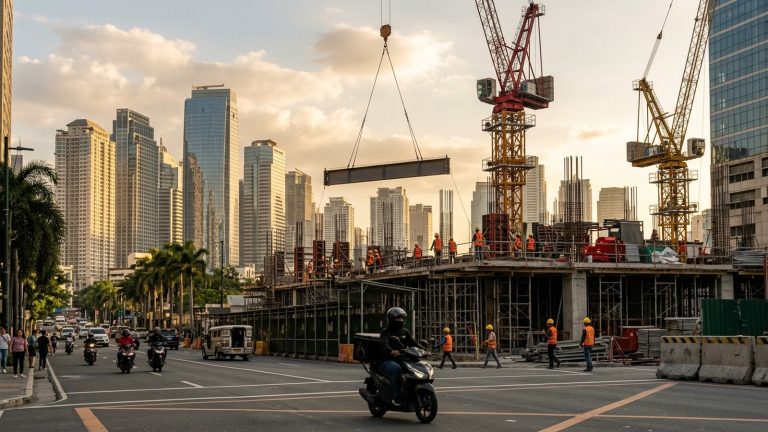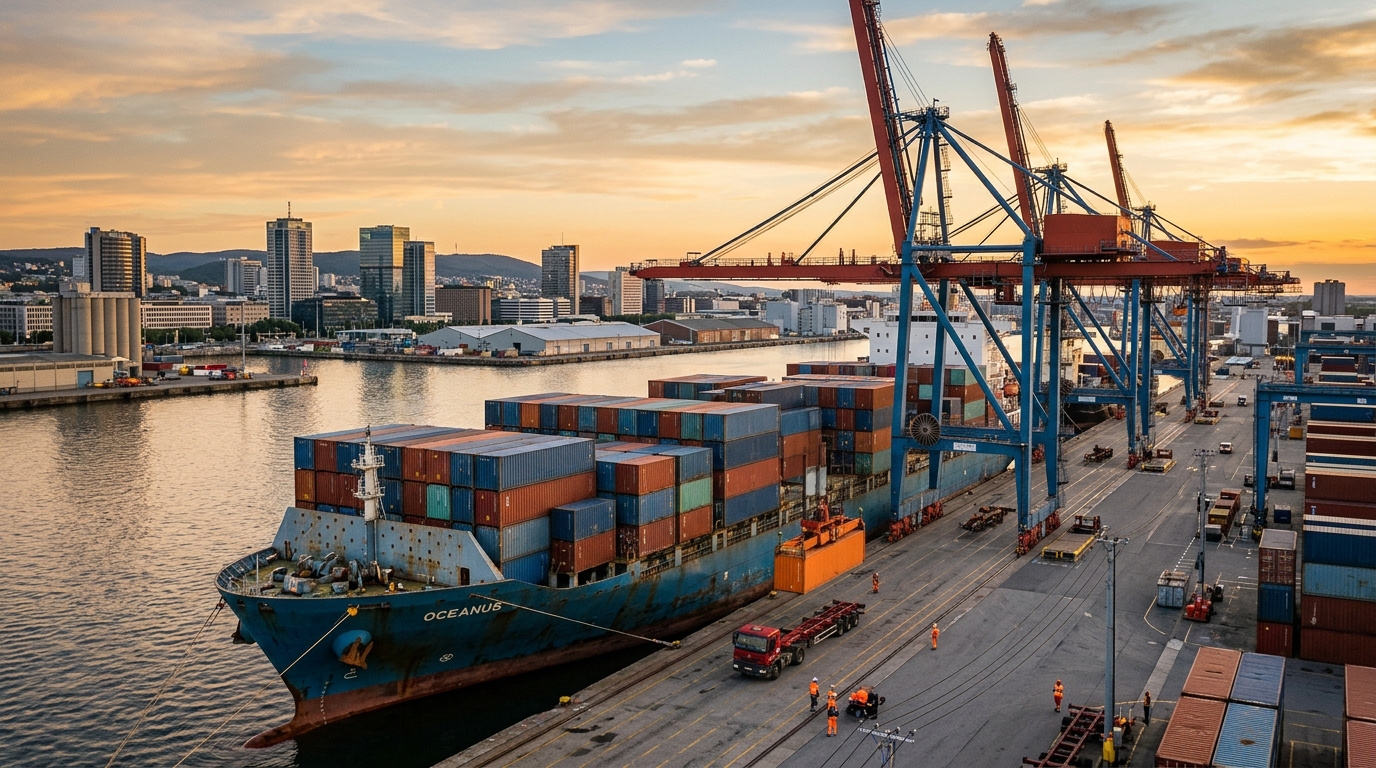
After more than a decade of stops, starts, and thorny disputes over agricultural rules and industrial subsidies, the European Union and Indonesia finally put ink to paper in Brussels. The formal signing of the EU–Indonesia Comprehensive Economic Partnership Agreement (IEU-CEPA), paired with an accompanying Investment Protection Agreement, arrives at an unusually volatile moment for world commerce—one defined by shifting tariff regimes, tense Washington-Ottawa talks, and stock markets catching their breath after a punishing mid-November sell-off.
According to Investing.com’s reporting on the Brussels signing, the pact removes tariffs on roughly 90 percent of Indonesian exports entering the European single market while slashing duties on European machinery, automobiles, and dairy products headed for Southeast Asia’s largest economy. For European exporters worried about losing ground in the Indo-Pacific, and for Jakarta seeking diversified demand outside U.S. and Chinese supply chains, the agreement represents a concrete counterweight to rising global protectionism.
What the EU–Indonesia Deal Actually Changes
Bilateral trade agreements often sound abstract until you look at the sectors carrying the sharpest tariff friction. Under IEU-CEPA, Indonesian manufacturers—ranging from footwear and textiles to processed commodities and electronics components—gain streamlined duty-free access to a consumer bloc of roughly 450 million people. In return, European engineering firms, specialty chemical suppliers, automakers, and food producers win lower import barriers into a rapidly urbanizing nation of more than 280 million residents.
Just as important is the parallel Investment Protection Agreement. Global capital flows in 2026 have become far more selective about legal predictability, especially around critical minerals, battery supply chains, and green manufacturing. Locking in clearer dispute-resolution rules gives European industrial investors stronger legal footing when committing multi-year factory capital inside Indonesia, while signaling to other ASEAN states that Brussels can still close sweeping commercial treaties despite internal political pressures.
Meanwhile in North America: Tariff Friction Meets Market Jitters
While Europe and Indonesia celebrated tariff reductions, trade diplomacy elsewhere remained on a razor’s edge. U.S. Trade Representative Jamieson Greer indicated that Washington and Ottawa are “fairly close” to landing a bilateral trade deal, as CTV News reported, though serious friction lingers over Canada’s parallel tariff relief and trade overtures toward China on electric vehicles, steel, and aluminum. In Southeast Asia, Manila has likewise been working to negotiate U.S. export tariffs down from 12.5 percent to 10 percent while pushing back against suggestions of exclusive American sourcing commitments.
Those trade crosscurrents collided head-on with financial market anxiety. Entering Monday, November 23, global equity futures began staging a tentative bounce after one of the sharpest weekly sell-offs of the year—a slide that pushed the S&P 500 into correction territory and left the Nasdaq hovering uncomfortably near a bear market, according to Dow Jones market dispatches via Morningstar. Bitcoin, which had drifted near two-year lows during the risk-off wave, also ticked higher alongside European opening gains.
Why Investors Suddenly Questioned the AI Capex Boom
The mid-November market slump was not triggered by a single macroeconomic surprise. Instead, three worries converged at once:
- Crowding-out fears around AI spending: Investors grew uneasy that massive, capital-intensive AI data-center buildouts are absorbing capital and power-grid capacity faster than downstream software margins can justify in the near term.
- Regulatory scrutiny on chipmakers: News of an SEC accounting inquiry involving Nvidia rattled a market heavily concentrated in mega-cap semiconductor names.
- Central bank path uncertainty: U.S. Treasury Secretary Scott Bessent publicly cautioned that overly aggressive Federal Reserve tightening could jeopardize broader economic growth, as noted in Newsquawk’s November 23 European briefing.
Reading the Two Signals Together
Put Brussels’ trade signing next to Wall Street’s turbulent week, and a coherent picture of late-2026 economics emerges. On one track, financial markets are repricing speculative concentration—forcing tech giants and investors to prove that colossal AI infrastructure budgets generate durable cash flow rather than endless capex loops. On the other track, real-economy trade blocs are quietly building bilateral corridors designed to survive tariff shocks and superpower decoupling.
For mid-market manufacturers and agricultural exporters watching from the sidelines, the practical takeaway isn’t theoretical. Lowering tariff friction between Europe and Southeast Asia changes sourcing math for everything from electric-motor windings and specialty chemicals to dairy logistics and consumer electronics assembly. Companies that previously treated Indonesia purely as a raw-materials origin now have stronger contractual incentives—backed by formal investment protection terms—to evaluate localized assembly or joint-venture distribution for regional markets.
At the same time, equity traders stepping back in on Monday morning know that headline relief rarely settles structural valuation debates overnight. When a single sector commands as much index weight as AI silicon and cloud infrastructure currently do, every quarterly margin disclosure or regulatory filing ripples across pension portfolios and credit spreads alike. That tension—between durable bilateral trade building in Brussels and fragile market sentiment in New York—is likely to set the tone well into early 2027.
Neither trend guarantees smooth sailing into the new year. A fragile U.S.–China trade truce still faces a looming January 10 expiration milestone, and industrial supply chains remain sensitive to every semiconductor export rule out of Washington or Beijing. Even so, the EU–Indonesia pact offers a timely reminder that global commerce does not move in only one direction: where some corridors raise walls, others are cutting tariffs by 90 percent to keep factories humming.