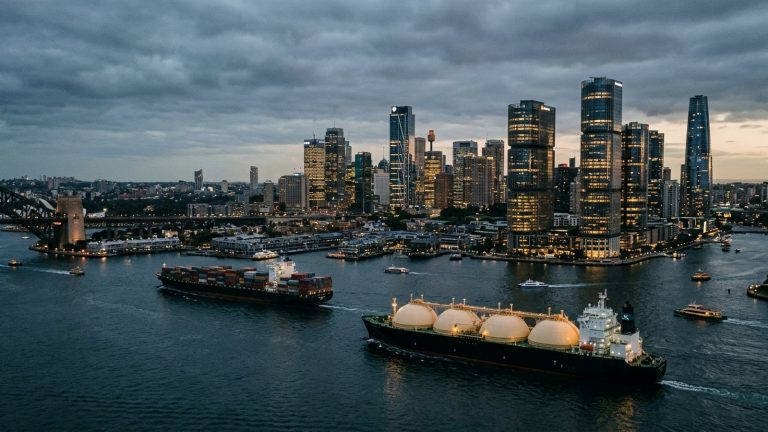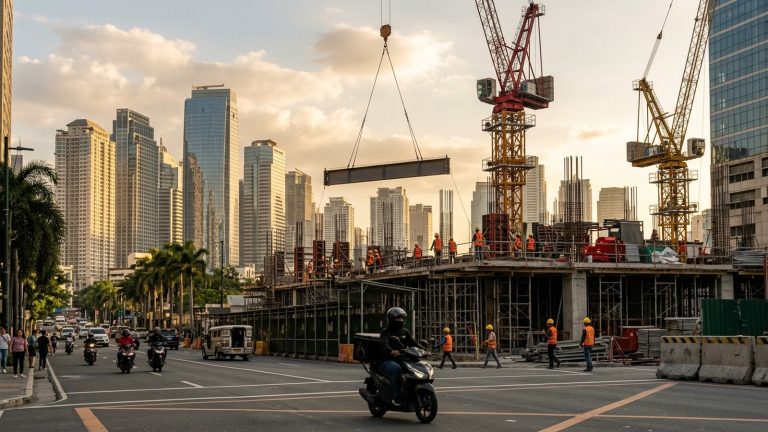
Across the Asia-Pacific region this week, two starkly different headline numbers told the exact same story about household budgets in late 2026. In Canberra, fresh October figures from the Australian Bureau of Statistics showed annual consumer inflation accelerating sharply to 4.9%, up from 4.3% in September. Two thousand miles north in Manila, the Philippine Senate wrapped up plenary approval of a ₱915.49 billion basic-education budget for 2027—boosting school feeding and learning-recovery funds even as regional provinces wrestle with stubborn food and transport price spikes.
Taken together, the dual developments capture the narrow tightrope facing policymakers from Sydney to Quezon City: lingering energy and supply shocks keep pushing baseline living costs up, while governments argue intensely over how much fiscal support they can deliver without fueling another wave of inflation.
Why Australia’s 4.9% CPI Print Rattled Markets—and Why Economists See a Peak
For Australian households already squeezed by the Reserve Bank of Australia’s 4.85% cash rate, October’s 4.9% inflation reading landed like an unwelcome cold shower. As The Guardian’s economic analysis notes, opposition lawmakers and employer groups such as the Business Council of Australia immediately faulted elevated public spending for keeping the RBA boxed in, while Treasurer Jim Chalmers pointed to global oil disruptions and domestic cost pressures heading into the holiday quarter.
Yet beneath the headline shock, several major bank economists see tangible grounds for cautious relief. Westpac’s economics team flagged that October likely marks the statistical peak of this energy-driven inflation spike rather than the start of a runaway 1970s-style spiral. Global crude oil benchmarks have cooled meaningfully from their mid-year Middle East conflict highs, meaning wholesale petrol relief should gradually filter down to suburban bowsers through early 2027—even if residential rents, strata insurance, and utility bills remain painfully elevated.
Inside Manila’s ₱915.49 Billion DepEd Budget and Nutrition Push
In the Philippines, lawmakers are channeling fiscal support directly into households through public schooling and child nutrition rather than broad price caps. In late November, the Senate approved a ₱915.49 billion budget for the Department of Education (DepEd) and its attached agencies for fiscal year 2027—roughly ₱4.91 billion higher than the House-passed version and split between about ₱912.7 billion for DepEd proper and attached agencies, according to Inquirer.net reporting and BusinessWorld coverage.
Steered through the floor by Senator Bam Aquino and Finance Chair Senator JV Ejercito alongside Education Secretary Sonny Angara, the spending blueprint focuses on three urgent pressure points for Filipino families:
- Expanded School-Based Feeding: Lawmakers locked in baseline funding for universal feeding across Kindergarten and Grade 1 while pressing for an extra ₱6.27 billion to ₱6.3 billion under the National Children’s Nutrition Act to extend universal meals to Grade 2—a direct grocery buffer for working parents facing high provincial food prices.
- Learning Recovery and Classroom Supply: As the Philippine News Agency reports, senators scrutinized disbursement bottlenecks while pushing dedicated backing for the Academic Recovery and Accessible Learning (ARAL) program, teacher support, and classroom construction.
- Textbook Screening Controls: Plenary debate also spotlighted procurement oversight after Senate President Pro Tempore Vicente Sotto III flagged an elementary social-studies textbook containing an unvetted QR link to China’s state-run CGTN network, prompting stricter DepEd content auditing ahead of 2027 print runs.
Why Protecting Vulnerable Households Matters After Recent Poverty Gains
The broader economic stakes behind Manila’s budget priorities are underscored by a new International Labour Organization (ILO) research brief. While Philippine national poverty dropped impressively from 15.5% in 2023 to 9.7% in 2025, the ILO warns that millions of families clustered just above the poverty line remain highly exposed to climate disasters, provincial food-inflation spikes—which reached 7% in areas like Albay late this year—and precarious informal wages. Programs that cut out-of-pocket schooling and meal costs while improving foundational literacy do far more to lock in poverty gains than short-lived cash handouts.
Central Banks Boxed In: Why Rate Cuts Keep Slipping Into 2027
What ties Canberra and Manila together—alongside Washington—is how stubborn late-2026 cost pressures are complicating central bank calendars. In Australia, October’s 4.9% CPI print makes it virtually impossible for the RBA to contemplate quick cash-rate relief before seeing multiple quarters of cooling services and housing inflation. In the Philippines, the Bangko Sentral ng Pilipinas (BSP) faces a similar balancing act around its 5.50% policy rate: cutting too aggressively while regional transport, electricity, and agricultural prices fluctuate risks weakening the peso and importing even steeper fuel costs.
That leaves fiscal precision—targeting relief strictly toward high-multiplier essentials like student nutrition, remedial tutoring, and targeted energy-efficiency upgrades—carrying far more weight than sweeping stimulus checks that simply bid up scarce grocery supply.
What Households in Australia and the Philippines Should Watch Next
For Australians, the immediate calendar milestone is the quarterly trimmed-mean inflation release ahead of the RBA’s early-2027 meetings: borrowers on variable loans should budget conservatively assuming the 4.85% cash rate holds steady well into next year, while keeping emergency buffers inside mortgage offset accounts. For Filipinos, December’s bicameral conference committee will determine whether the Senate’s expanded Grade 2 feeding funds and ARAL allocations survive final budget reconciliation—and how quickly local agricultural supply measures cool wet-market food prices before the Christmas and New Year rush.
Sources & Further Reading
- The Guardian — Australia’s 4.9% Inflation Print and Cost-of-Living Outlook
- International Labour Organization — Can the Philippines Make Its Poverty Gains Last?
- Inquirer.net — Senate Approves ₱915.4B DepEd Budget for 2027
- BusinessWorld — Aquino Pushes Additional ₱6.27B Budget for School Feeding Program