A routine veterinary visit can be easier for pets and people when preparation starts before the journey.
Make the carrier or car less unfamiliar
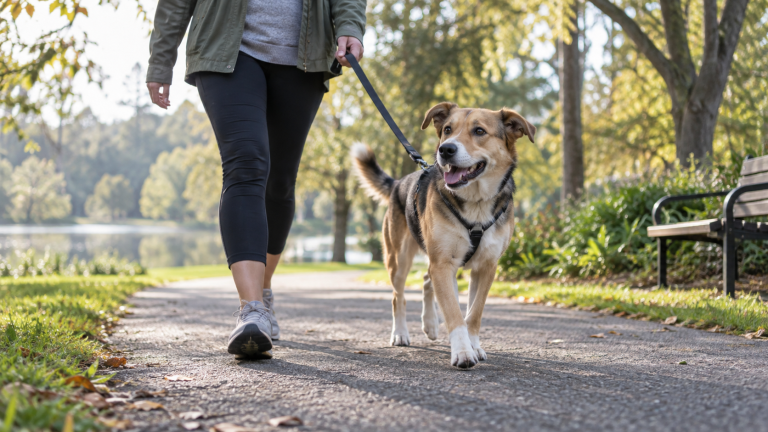
Leave a carrier accessible at home rather than bringing it out only before an appointment. For dogs, short, positive car journeys can make travel feel less novel. Move at your pet’s pace; forcing an anxious animal through a new experience can make the next one harder.
Practise gentle handling
Brief, calm handling of paws, ears and other areas can help a pet become more comfortable with the kind of examination a veterinarian may need to do. Keep sessions short and stop before your pet becomes distressed.
Bring useful observations
Write down changes in appetite, movement, sleep, toileting or behaviour, and bring a current list of medications or supplements. A short video can help explain an intermittent concern—but urgent symptoms should be discussed with a veterinarian promptly rather than waiting for a routine visit.
Ask for the right support
Tell the clinic if your pet is fearful, reactive or has had a difficult visit before. The team may be able to suggest appointment timing, handling approaches or other preparation tailored to your animal.
Further reading: American Veterinary Medical Association guidance on socialisation and preparation. For individual health concerns, consult a veterinarian.
Start before the appointment day
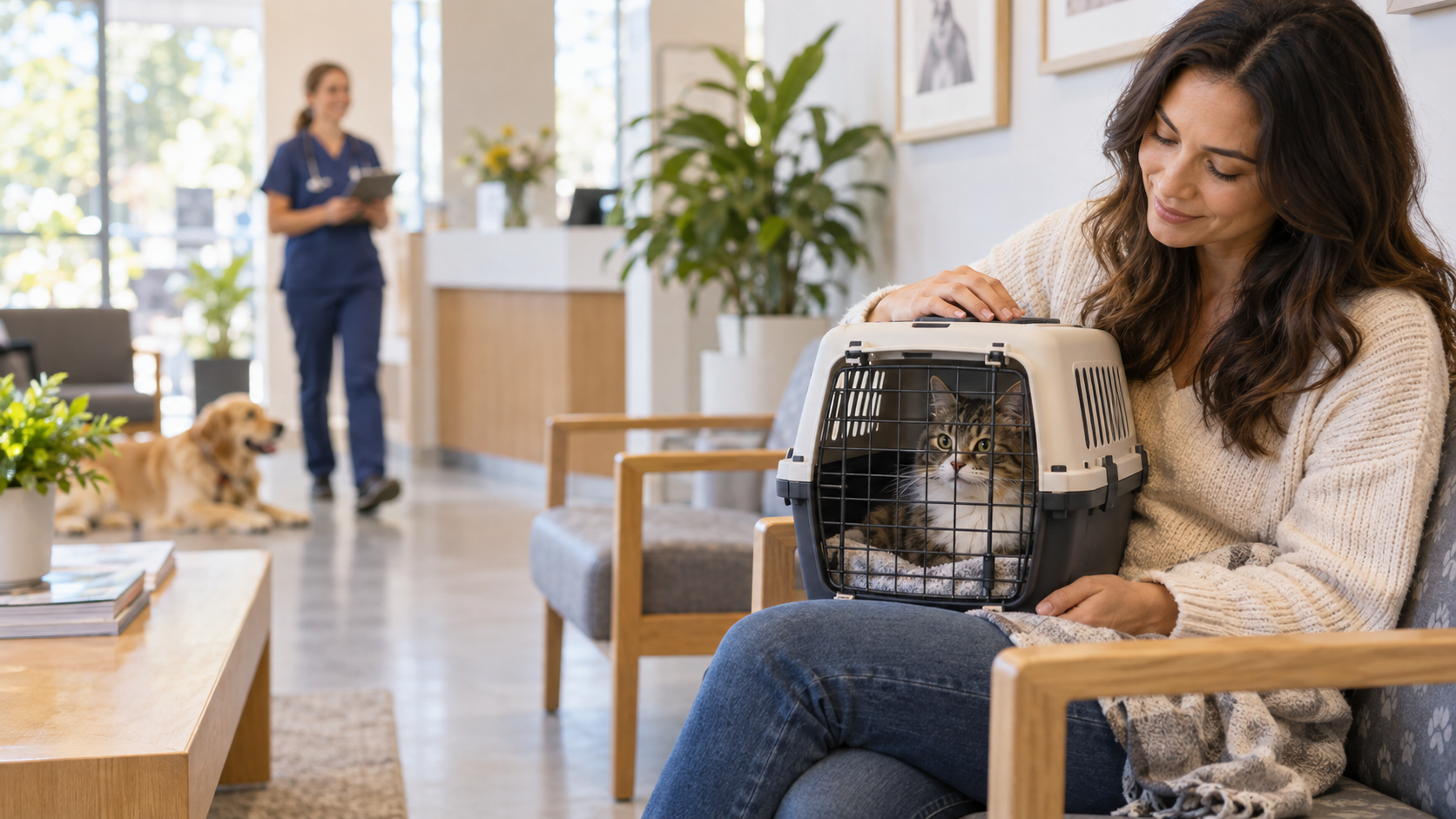
For many animals, the stressful part begins at the carrier, car or waiting room. Bring the carrier out on ordinary days, leave it open with familiar bedding and reward calm investigation. For dogs, short car rides that do not always end at the clinic can make the journey less predictive. Ask the practice whether they offer quieter appointment times or a direct-to-room option.
Give the team useful information
Tell the clinic in advance if your pet is fearful, reactive, painful or hard to handle. A good handover includes triggers, preferred treats, handling history and any recent changes in appetite, mobility or behaviour. It allows the team to plan rather than improvise in a crowded room.
Keep the goal modest
A calmer visit may mean a full examination, or it may mean getting through the door and leaving with a better plan for next time. Do not punish a frightened animal after the appointment. Work with your veterinarian on gradual strategies and ask before using calming products or medication.
Further reading: AVMA pet-care resources.