Every November, homeowners weighing an aging HVAC replacement face the same fork in the road: stick with a familiar 95%+ AFUE gas furnace, or switch to a modern cold-climate air-source heat pump. Yet in late 2026, the decision is no longer just about ductwork, refrigerant ratings, or outdoor temperatures—it is equally about your main breaker box and how your electric utility prices peak-hour kilowatt-hours.
Paired with a smart electrical panel and realistic thermostat habits, an electrified heating system can slash seasonal waste without forcing a $4,000 utility service upgrade. Installed blindly in the wrong rate zone, however, it can still deliver an unpleasant January electric bill.
1. Cold-Climate Heat Pumps vs. Furnaces: Where Physics Meets Your Utility Rate
Unlike electric baseboard or resistance furnaces that convert electricity to heat at a strict 1-to-1 ceiling, modern variable-speed cold-climate heat pumps move ambient outdoor thermal energy indoors—even well below freezing. According to the U.S. Department of Energy’s heat pump savings guide, well-matched systems achieve a Coefficient of Performance (COP) between 2 and 4 across typical winter conditions, trimming heating bills by 30% to 50% compared with electric resistance heat.
Comparing against natural gas is trickier. As ZeroHomes’ heat pump versus furnace comparison explains, high-efficiency gas furnaces push hot 120°F air rapidly during deep polar vortex snaps, and your monthly cost winner hinges on the local “spark-to-gas” ratio—the price of a kilowatt-hour of electricity versus a therm of natural gas. In regions where gas remains inexpensive and winter electric rates exceed $0.25–$0.35/kWh, a dual-fuel hybrid system (running the heat pump down to roughly 25°F–30°F and handing off to a high-efficiency gas stage only during deep freezes) often delivers the lowest annual bill while still cutting fossil fuel burn by 70%+.
2. The Thermostat Mistake That Quietly Doubles Winter Electric Bills
Many new heat pump owners carry over a muscle-memory habit from decades of gas furnaces: dropping the thermostat 8°F to 10°F at bedtime and cranking it back up at 6:30 a.m. On a gas furnace, that merely runs the burner slightly longer for 20 minutes. On a heat pump, a steep morning recovery tells the control board the compressor is falling behind—triggering built-in backup electric resistance heat strips that pull 10 to 15 kW at an inefficient 1.0 COP.
As The Cool Down’s HVAC efficiency coverage notes, inverter heat pumps thrive on “low and slow” steady indoor temperatures—keeping overnight setbacks mild (2°F–3°F max) or shifting pre-heating into cheap off-peak hours rather than forcing rapid morning recovery.
3. Why Smart Electrical Panels Are Replacing Costly 200A Heavy-Ups
Homes built with 100-amp or crowded 150-amp electrical service used to hit an immediate roadblock when adding a cold-climate heat pump, heat-pump water heater, induction range, and Level 2 EV charger: electricians quoted $3,500 to $7,000+—plus months of utility trenching permits—for a 200-amp or 400-amp service heavy-up.
Smart electrical panels from makers such as SPAN, Leviton, and Schneider solve that bottleneck in real time. As A1 SolarStore’s smart-panel guide outlines, circuit-level load management tracks whole-home amperage second by second:
- Dynamic Load Shedding: If your heat pump, electric clothes dryer, and EV charger peak simultaneously during dinner, the smart panel temporarily pauses the EV charger or water heater for 20 minutes so the main breaker never trips.
- Circuit-Level Diagnostics: Instead of guessing why January’s bill spiked, homeowners can inspect exact daily kWh curves for auxiliary heat strips, space heaters, or aging well pumps straight from a phone app.
- Automated Time-of-Use (TOU) Shifting: Integrated Home Energy Management Systems (HEMS) pre-warm rooms or domestic hot water during cheap overnight tariff windows and coast through expensive 4 p.m.–9 p.m. peaks, trimming 10% to 20% off seasonal utility spend.
4. A Pre-Upgrade Winter Audit Before Signing Any Quote
Before committing to a five-figure HVAC or electrical panel package, pull twelve months of electric and gas bills, check your utility’s winter Time-of-Use schedule, and ask your contractor for a room-by-room Manual J load calculation rather than guessing tonnage off the old furnace nameplate. Air-sealing attic bypasses and leaking supply ducts first often lets you step down half a ton to a full ton in heat-pump capacity—cutting upfront hardware cost, avoiding noisy airflow, eliminating auxiliary-strip spikes, and keeping your existing main breaker comfortably within limits.
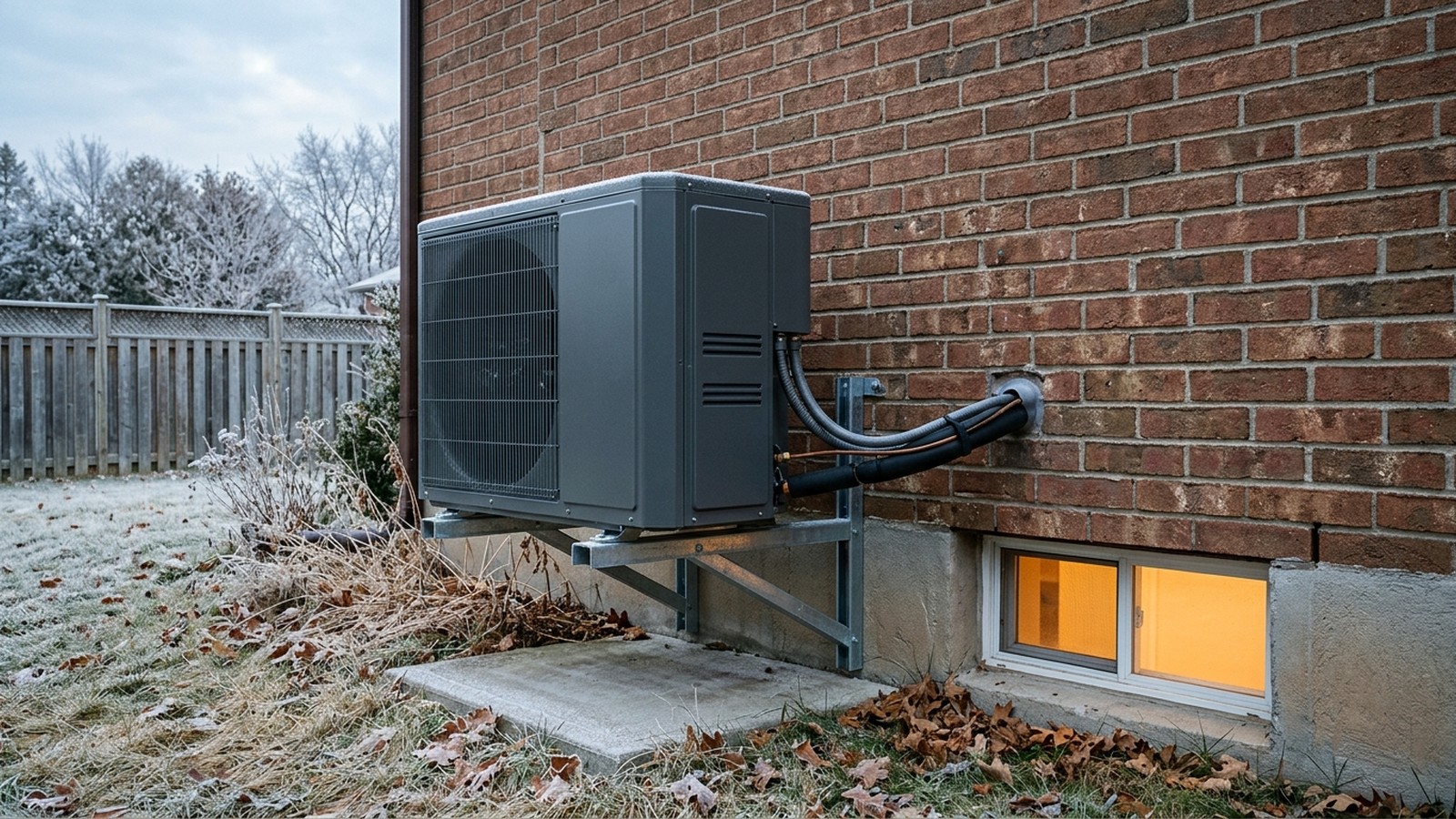
Remember one last winter detail when pricing outdoor units in snow belts: mount cold-climate condensers on elevated wall brackets or 18-inch snow stands above expected drift lines, clear wind-blown leaves away from coil fins before the first freeze, and leave defrost drainage paths unobstructed so ice sheets cannot choke airflow right when January temperatures plunge. Equally important, verify that your HVAC installer registers factory equipment warranties and confirms regional utility rebates before commissioning day.