Ask three homeowners in Metro Manila, Adelaide, and Phoenix whether adding a home battery or smart climate controller is worth the upfront expense, and you will hear three completely different payback stories—even if they buy the exact same hardware brand. Why? Because residential energy return on investment depends almost entirely on local utility tariffs, net-metering export credits, and how your house heats or cools, rather than glossy brochure claims.
With residential electricity costs pinching household budgets across all three markets in late 2026, putting solar-plus-storage and smart climate controls side by side makes it easy to spot which upgrades pay back fast—and where buyers routinely waste money on incompatible gear.
Home Solar Battery Storage: 4–6 Years in the Philippines vs. 5–12 Years Elsewhere
Adding a lithium iron phosphate (LFP) battery to rooftop solar used to be treated mainly as expensive blackout insurance. Today, collapsing solar export tariffs and steep evening peak electricity rates have turned battery storage into a daily bill-cutting engine—with noticeably different payback clocks across markets:
- Philippines (4 to 6 Years): Because Philippine households pay some of the steepest retail kilowatt-hour rates in Asia alongside capped net-metering payouts and frequent typhoon-season outages, Solaren’s residential solar ROI analysis shows hybrid solar-plus-storage systems routinely paying back in 4 to 6 years—even quicker for remote professionals running daytime and evening air conditioning while avoiding generator fuel expenses.
- Australia (5 to 9 Years): Australia leads the world in rooftop solar adoption, yet shrinking feed-in tariffs mean exporting midday solar earns pennies while evening grid power hurts. According to High Flow Energy’s state-by-state ROI guide and Climate Council analysis, battery payback averages around 5.8 years in high-tariff South Australia, 6.7 to 7 years in NSW and Queensland, and up to 8.6 years in Victoria and Western Australia—with Virtual Power Plant (VPP) participation trimming 12 to 18 months off payback.
- United States (8 to 12 Years): In states keeping 1:1 net metering, batteries mostly buy outage security. In California under NEM 3.0—where daytime solar export credits plunged—storage is practically mandatory to capture full bill savings. Backed by the 30% federal Residential Clean Energy Credit and state programs like SGIP, combined solar-battery systems typically break even in 8 to 12 years.
Smart Thermostats vs. Smart IR AC Controllers: Don’t Buy the Wrong Gear
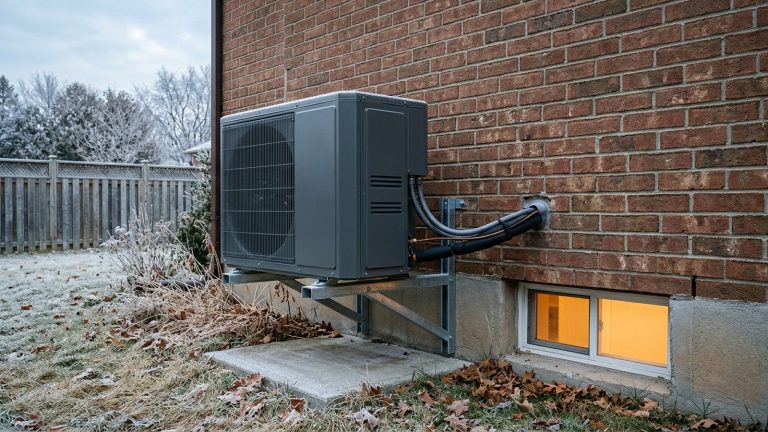
Before committing $8,000 to $15,000 on batteries, many households overlook a far cheaper upgrade: smarter climate automation. Yet one classic mismatch trips up international shoppers every week—ordering a U.S.-style 24V wall thermostat for a home cooled by ductless split-type air conditioners.
In the United States, where central ducted HVAC dominates, smart thermostats such as ecobee or Google Nest typically trim annual heating and cooling bills by 10% to 15% ($100 to $150 USD per year), paying for themselves in 1 to 2 years—often in months when local utilities offer instant demand-response rebates. In Australia, where central ducting is less universal and reverse-cycle split systems rule living rooms, Wi-Fi split controllers save roughly 8% to 12% ($150 to $250 AUD annually).
In the Philippines, however, 24V American thermostats cannot wire into standard split-type or window inverter ACs at all. Instead, Filipino households get the fastest smart-home payback anywhere from ₱2,500 to ₱5,000 smart infrared (IR) AC controllers (such as Sensibo, Cielo, or Tuya-based remotes). Using geofencing and automated midnight temperature ramping to trim wasted AC runtime by 10% to 20% pays back the entire controller in well under 12 months on a typical Meralco bill.
Three Questions to Ask Before Signing Any Solar or Smart-Home Quote
- Are you on Time-of-Use (TOU) or flat utility billing? Batteries generate their biggest ROI when evening peak tariffs double midday rates; on flat tariffs with full net metering, panels alone win on math.
- Have you sealed your building envelope first? Spending $400 on door weatherstripping, attic insulation, and solar window film cuts cooling demand permanently so you can buy a smaller, cheaper battery later.
- Does your battery include blackout backup wiring? Many grid-tied systems shut down automatically during utility outages for lineworker safety unless paired with a hybrid inverter and critical-load transfer switch.
Sizing Strategy: Why Smaller, Right-Sized Batteries Often Beat Oversized Systems
A frequent trap across all three countries is oversizing battery capacity to cover rare 100% off-grid scenarios rather than daily evening peak shaving. For a typical suburban household, a 10 kWh to 13.5 kWh LFP battery paired with smart AC scheduling covers overnight refrigerator, Wi-Fi, lighting, and bedroom inverter-AC loads—delivering 80% of the monthly bill reduction at roughly half the capital cost of a 30 kWh whole-home backup bank. Start by reviewing 12 months of evening kilowatt-hour usage on your utility portal before letting an installer talk you into extra battery stacks, and verify warranty throughput guarantees (often 10 years or 3,000–4,000 full cycles) so the battery outlasts its payback date cleanly.