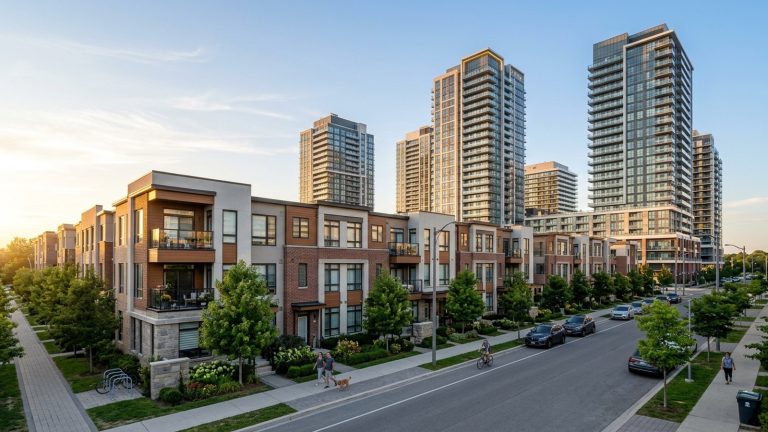
For decades, shopping for a house meant obsessing over three numbers: listing price, down payment, and mortgage interest rate. In late 2026, a fourth line item is quietly hijacking closing tables from coast to coast—homeowners insurance. Across markets once considered comfortably insulated from coastal hurricanes, steep premium increases, tighter underwriting exclusions, and sudden non-renewal notices have turned property insurance from a routine escrow footnote into a make-or-break affordability hurdle.
Research published by the Levy Economics Institute underscores how double-digit insurance rate hikes have far outpaced broader consumer inflation, threatening both household budgets and regional mortgage stability. Meanwhile, Realtor.com’s 2026 climate-risk analysis estimates that roughly 23 percent of U.S. homes face severe or extreme risk from wind, flood, or wildfire—representing trillions of dollars in residential real estate exposure.
Not Just Florida and California Anymore
While Florida, Louisiana, and Texas still carry some of the highest absolute dollar premiums in the country, the sharpest percentage shocks are spreading inland. Analysis from the Pioneer Institute shows steep percentage surges hitting states like Utah, Illinois, Arizona, and Pennsylvania as severe convective hailstorms, flash flooding, and suburban wildfire smoke reshape actuarial tables.
Even more troubling is what industry analysts call the growing “insurance gap.” Faced with unaffordable renewal quotes, a rising share of homeowners are accepting steeper percentage-based wind and hail deductibles, dropping supplemental flood policies, or slashing coverage limits just to keep monthly escrow payments manageable. As Cotality’s 2026 property trends report notes, elevated property taxes and insurance bills are already correlating with localized upticks in mortgage delinquencies across parts of the South and Midwest.
The Buyer Paradox: Scenic Views vs. Total Cost of Ownership
One of the strangest findings in 2026 housing data is what analysts call “resilience dissonance.” Even after major storms or wildfire seasons trigger brief dips in search traffic for exposed ZIP codes, buyer demand for coastal, waterfront, and wooded mountain properties routinely snaps back. People still pay premiums for views and lifestyle amenities—yet they often underestimate how fast an uninsurable roof or a $6,500 annual policy can erode long-term equity.
Increasingly, savvy buyers and agents are treating total cost of ownership (TCO)—mortgage principal, interest, property taxes, HOA assessments, utility load, and multi-peril insurance—as the only honest metric before making an offer. Demand for standardized, upfront climate-risk and insurance-history disclosures prior to going under contract has surged, precisely because discovering a $400-a-month insurance surprise during week three of escrow kills deals and strands earnest money.
Why Physical Upgrades Now Function as Underwriting Armor
As carriers replace broad ZIP-code pricing with parcel-level IoT telemetry and aerial hazard modeling, physical home upgrades are taking on double duty: lowering monthly operating bills while keeping insurers from walking away. Homeowners preparing to stay put—or hoping to sell smoothly in 2027—are prioritizing upgrades that satisfy both comfort and underwriters:
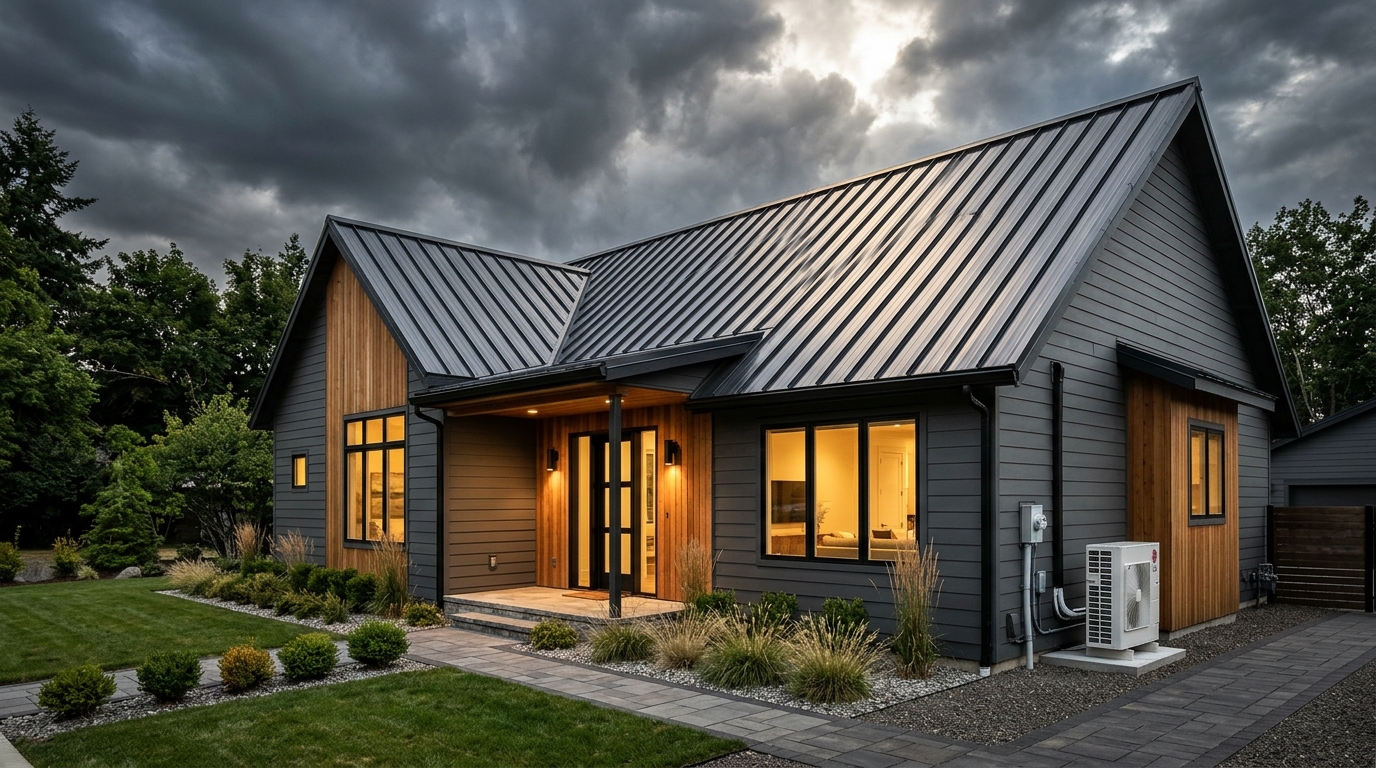
- Impact-resistant roofing and sealed roof decks: Standing-seam metal or Class 4 impact-rated shingles are increasingly the single fastest way to qualify for wind-and-hail premium credits or avoid non-renewal.
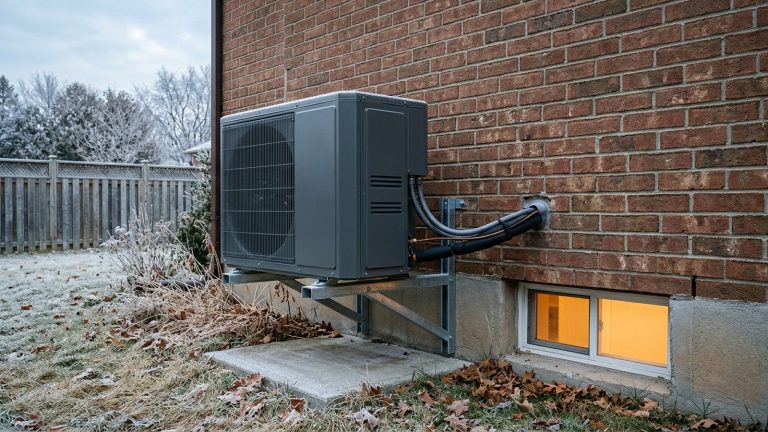
- Modern electric heat pumps and envelope tightening: High-efficiency heat pumps paired with proper air sealing future-proof homes against extreme temperature swings while trimming utility spikes that compound high escrow costs.
- Defensible perimeter landscaping and smart water shutoffs: Clearing combustible mulch or brush within five feet of siding in fire zones—and installing automatic leak-detection shutoff valves—directly addresses two of insurers’ costliest claim categories.
A Practical Checklist Before Signing Any Offer
Upfront costs for fortified roofs or heat pump retrofits aren’t trivial, and carriers don’t always discount policies dollar-for-dollar overnight. In practice, a Class 4 roof upgrade might shave 12 to 20 percent off a wind-hail premium while costing $18,000 or more upfront—meaning the financial payback often arrives less through immediate monthly savings and more through avoiding a devastating mid-year non-renewal or forced-place policy. Waiting until an insurer drops a 60-day cancellation notice on your doorstep leaves homeowners with zero bargaining power.
When touring properties in late 2026, treating insurability like a structural inspection prevents expensive regrets. Pull a CLUE loss-history report on the house early, verify whether prior claims involved roof hail or slab plumbing leaks, and ask your independent broker to run binding quotes across at least three carriers rather than relying on an automated online estimate. Even subtle details—such as whether a home uses brittle polybutylene supply lines or an older Federal Pacific electrical panel—can disqualify a property from preferred underwriters before closing day.
If you are shopping for a property today, pull an actual binding insurance quote—including separate percentage wind/hail deductibles and flood riders—during the initial inspection contingency, verify roof age down to the permit year, document any mitigation upgrades like hurricane clips or automatic water shutoffs, and check whether the HVAC, electrical panel, and plumbing supply lines meet current carrier standards. In 2026, location and square footage still sell the dream, but verified insurability determines whether you can comfortably afford to keep it over the next decade.
Sources & Further Reading
- Levy Economics Institute — A Premium Crisis: Climate Change Threatens Homeowners Insurance
- Realtor.com Research — 2026 Housing & Climate Risk Exposure Report
- Pioneer Institute — Why Homeowners Insurance Premiums Keep Rising Amid Climate Risk
- Cotality — 2026 Property Market Trends and Insurance-Tax Delinquency Pressures