A sharp divide is opening across Philippine residential real estate in late 2026—and it is playing out directly in buyers’ monthly amortization schedules. With the Bangko Sentral ng Pilipinas (BSP) holding its benchmark reverse repurchase rate at 5.50% following prior tightening to curb fuel-driven inflation, commercial mortgage repricing has squeezed middle-income borrowers right at the moment pre-selling condominium contracts come due for bank takeout.
According to late-November market data from Colliers reported by BusinessWorld, mid-market units priced roughly between ₱3.6 million and ₱12 million now account for 81% of Metro Manila condominium cancellations. At the opposite end of the affordability spectrum, state-backed financing under the Expanded 4PH program and Pag-IBIG Fund is stepping in with 3% subsidized loans and newly broadened house-and-lot options.
Why Mid-Market Condos Are Bearing the Brunt of 5.50% Rates
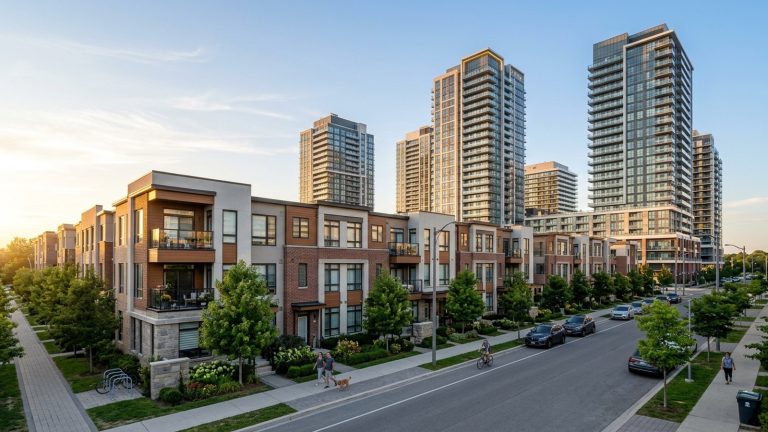
During low-rate cycles, developers sold tens of thousands of Metro Manila vertical units on stretched equity schedules—often 10% to 20% down payment spread across 36 to 48 months—allowing buyers to lock in small monthly installments before facing the remaining 80%–90% bank balance at turnover.
When those units turn over in late 2026, buyers face a starkly different financing environment:
- Higher mortgage repricing: With the BSP policy rate at 5.50% and global bond yields elevated—echoing similar pressures in the United States, where Freddie Mac’s PMMS shows 30-year fixed rates back at 7.28%—local commercial housing loans carry meaningfully steeper monthly amortizations after introductory fixed periods expire.
- Rising HOA dues and inflation: Power rates, property taxes, and condominium association assessments have climbed alongside food and transport costs, eroding the debt-to-income ratios banks check at loan approval.
- Rent-yield compression: Investors who bought mid-market studios assuming easy short-term rental yields now find net rental income trailing monthly bank payments, pushing many to walk away or forfeit partial equity under Maceda Law settlements.
How Pag-IBIG’s Expanded 4PH Program Changes the Equation
While private mid-market developers wrestle with inventory overhang and cancellations, the government’s flagship Pambansang Pabahay Para sa Pilipino (4PH) initiative has undergone a notable structural shift. According to updates from the Philippine Information Agency (PIA), the expanded 4PH framework operated alongside Pag-IBIG Fund has broadened beyond dense urban high-rise towers to include horizontal subdivision house-and-lot packages and rental-pathway options.
That shift responds directly to Filipino buyer feedback: many working families, minimum-wage earners, and Overseas Filipino Workers (OFWs) hesitated to commit to multi-story walk-up or mid-rise condo units with perpetual monthly association dues when what they genuinely wanted was titled ground-level housing. Under Pag-IBIG’s socialized housing guidelines, qualified borrowers can access a heavily subsidized preferential interest rate of 3% per annum—shielding lower-income households from commercial rate spikes that have sidelined mid-tier condo buyers.
Comparing Commercial Bank Loans vs. Pag-IBIG 4PH Terms
The gap between private commercial bank financing and state-backed Pag-IBIG terms explains why Metro Manila’s housing market is effectively splitting in two. On a ₱5 million mid-market condominium loan at commercial rates roughly 250 to 350 basis points above the BSP’s 5.50% policy benchmark, monthly amortizations over twenty years easily absorb a massive share of a young dual-income household’s take-home pay—especially once real property taxes, fire insurance, and ₱5,000+ monthly condo dues are added. When rates reprice upward after an initial one- or three-year teaser fix, borderline buyers discover they can no longer pass bank debt-service coverage ratios.
By contrast, qualified borrowers entering the Expanded 4PH pipeline via Pag-IBIG Fund lock in a 3% annual subsidized rate on eligible socialized housing—including horizontal house-and-lot units outside congested inner cities—plus introductory Early Board incentives designed to help first-time buyers clear initial equity hurdles. Developers pivoting toward affordable horizontal subdivisions along Cavite, Laguna, Bulacan, and Pampanga rail corridors are quietly capturing steady end-user demand that high-rise studio launches are currently struggling to close.
Smart Due Diligence for Philippine Property Buyers in Late 2026
Whether you are evaluating a developer’s ready-for-occupancy (RFO) discount, considering a Pag-IBIG loan, or buying an investment unit, three checks protect your capital right now:
- Run bank pre-qualification on the 80%–90% balance today: Never sign a pre-selling equity schedule assuming your income will automatically qualify at turnover rates four years from now.
- Compare RFO concessions against secondary-market resale units: Cancelled mid-market inventory gives cash-ready or bank-qualified buyers unusual room to negotiate waived move-in fees, free parking slots, or genuine price reductions on existing units.
- Check Pag-IBIG eligibility and developer accreditation early: For first-time buyers within income caps, 3% subsidized 4PH horizontal packages or Pag-IBIG’s regular affordable housing tiers remain vastly cheaper over 20–30 years than commercial bank mortgages.
For overseas Filipino workers and domestic upgraders alike, the takeaway heading into 2027 is patience paired with arithmetic: run worst-case amortization stress tests at 8% to 9% commercial rates before signing any long pre-selling contract, and verify whether subsidized Pag-IBIG tiers match your household bracket.