New-home builders rarely turn deeply pessimistic overnight, because construction pipelines run on six-to-twelve-month horizons rather than weekly headlines. That is precisely what makes November’s builder sentiment reading so striking. According to the National Association of Home Builders (NAHB) and Wells Fargo Housing Market Index, builder confidence plunged to 25 this month—the lowest mark since April 2012, more than fourteen years ago.
Behind that bleak headline number sits a dramatic shift in leverage on suburban sales floors. With 30-year mortgage rates stubbornly hovering above 7% and material costs still squeezing margins, builders are no longer waiting quietly for buyers to blink. Instead, roughly 68% are dangling sales incentives and 46% have slashed sticker prices outright just to keep finished homes moving before winter.
Why Builder Confidence Dropped Back to 2012 Levels
For much of the past two years, large production builders enjoyed a surprising structural advantage over the resale market. While existing homeowners stayed locked into ultra-low pandemic-era mortgages and refused to list, national builders could erect fresh inventory and quietly subsidize borrowing costs through their own captive mortgage arms.
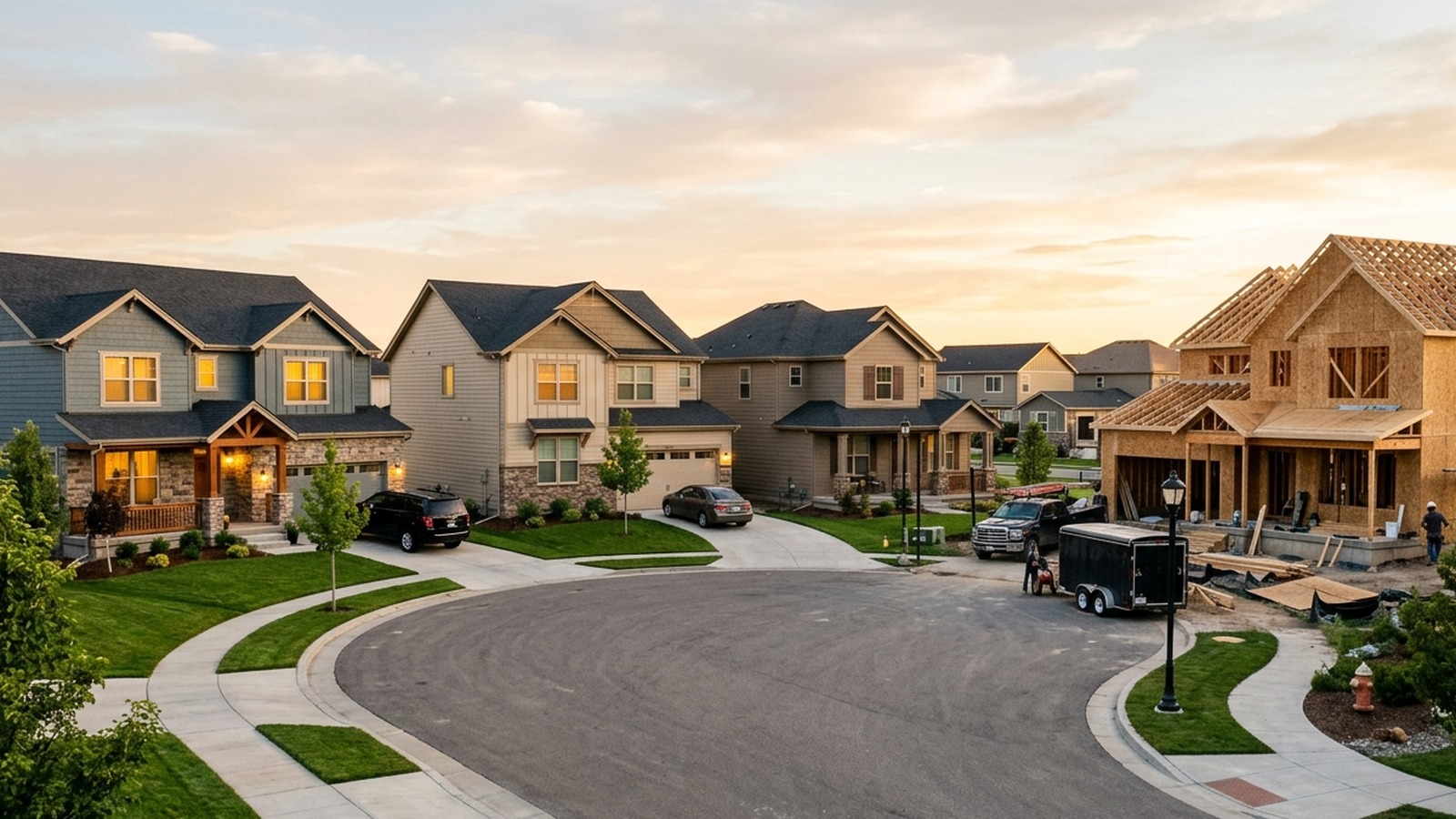
This autumn, that cushion finally wore thin. Hotter-than-expected Consumer Price Index (CPI) inflation data pushed 30-year fixed mortgage rates back into the 7.1% to 7.4% band, jolting hesitant shoppers back into what industry economists call “buyer hibernation.” Meanwhile, standing spec inventory—homes already built or nearing completion without a signed contract—has stacked up across Sunbelt and Mountain West subdivisions. Carrying completed homes through winter ties up working capital and racks up insurance, property tax, and financing overhead every single week.
Add persistent friction on lumber, electrical gear, skilled trade labor, and municipal impact fees, and builders find themselves squeezed from both ends: buyers cannot stretch monthly payments past 7% rates, yet construction bills refuse to fall back to pre-2020 norms.
How 68% Incentives and 46% Price Cuts Change the Math
When nearly half of U.S. builders admit to cutting base prices—and more than two-thirds are layering incentives on top—the advertised price tag on a model-home brochure ceases to mean much. In practice, buyers walking into a sales office this November are seeing three distinct concession playbooks:
- Permanent and 2-1 mortgage rate buydowns: Rather than lowering the recorded comparable sale price for the neighborhood, many builders prefer paying upfront points to drop a buyer’s effective interest rate into the high-5% or low-6% range, shaving hundreds off the monthly payment.
- Direct price cuts on quick-move-in spec homes: Homes sitting finished on a lot—especially ones whose earlier buyers fell out of escrow—are seeing genuine reductions to clear year-end balance sheets.
- Closing-cost credits and upgrade packages: Free appliance suites, backyard landscaping allowances, or $10,000-to-$20,000 closing-cost credits reduce the upfront cash hurdle for first-time buyers stretched thin on down-payment savings.
Why Public Builders Protect Sticker Prices With Buydowns First
If you’ve toured a new subdivision recently, you may have noticed sales counselors offering $18,000 in financing credits before trimming a single dollar off the base floor-plan price. That sequence isn’t accidental. Underwriting appraisers rely heavily on recent closed sale prices inside the same development when valuing upcoming deliveries. If a builder slashes base sticker prices by 8% on two spec homes this month, every pending buyer in the next phase faces appraisal headaches and demands matching discounts.
By channeling concessions into mortgage-rate buydowns and closing-cost packages first, builders keep neighborhood comparable values intact while delivering lower monthly payments. Only when high standing inventory refuses to clear—as reflected in November’s 46% price-cut reading—do regional divisions mark down base prices directly.
Smart Ways Homebuyers Can Negotiate Without Overpaying
An index reading of 25 is tough news for construction stocks, yet it hands prepared buyers the strongest negotiating position in new construction since the early 2010s. Still, builder incentives aren’t always as generous as the banner outside the subdivision claims, so shoppers should run a disciplined check before signing a purchase contract.
First, compare a builder’s rate-buydown offer against an independent lender quote on the exact same loan term. Sometimes a captive lender’s “subsidized” rate quietly offsets higher origination fees or a steeper base home price. Second, focus attention on finished standing inventory slated to close before year-end; sales managers under quarterly delivery targets often have far more flexibility on completed spec homes than on dirt-lot builds scheduled six months out. Third, don’t assume a new build skips inspection headaches—hire an independent licensed home inspector before final walkthroughs even on brand-new construction. Finally, keep an eye on upcoming HOA dues, special tax districts, and property tax reassessments on newly developed parcels, since those fixed monthly costs don’t disappear even if you refinance the mortgage later.
America still faces a structural long-term housing shortage, which means today’s pullback won’t turn into a 2008-style glut overnight. Yet for the next few months, builder anxiety is very real—and buyers willing to ask hard questions about pricing, concessions, and true monthly carrying costs hold far more cards than they did a year ago.