For much of the past decade, Australian property buyers grew accustomed to betting that dips in housing values would be brief, shallow, and quickly rescued by central-bank easing. Late 2026 has forced a blunt rethink of that assumption. On November 3, the Reserve Bank of Australia (RBA) lifted its official cash rate target by another 25 basis points to 4.85%—its fifth rate hike of the year and the highest level since 2008.
Passed straight through by major commercial banks onto variable mortgage borrowers, the move tightened borrowing capacity just as national dwelling values logged seven consecutive months of declines. From Brisbane and Perth to Adelaide, Melbourne, and Sydney, the housing market is no longer merely pausing—it is grinding through a structural affordability reset that economists warn could extend deep into 2027.
Why the RBA Kept Tightening—and What 4.85% Means for Borrowers
According to the RBA’s cash rate policy data and November Statement on Monetary Policy, stubborn inflation forced the Monetary Policy Board’s hand. Headline inflation accelerated to 4.3% over the year to September 2026, fueled by domestic services pressure, elevated fuel expenses, and global supply shocks. Critically, RBA staff projections now see inflation returning sustainably to the midpoint of its 2%–3% target band only by mid-2028.
For everyday mortgage holders, every quarter-point increase chips further into household cash flow—adding roughly $16 per month in repayments for every $100,000 owed on a standard variable loan. Stacked across five 2026 hikes, a household carrying an $800,000 mortgage has absorbed hundreds of dollars in extra monthly repayments while bank serviceability buffers—typically tested at 3 percentage points above the actual loan rate—have locked many upgrading families and first-home buyers out of auctions altogether.
Capital Cities Under Pressure and the 2027 Supply Paradox
Price corrections are no longer confined to inner-ring apartments. Reporting from The Guardian shows national home values declining for a seventh straight month, with former boom markets such as Brisbane, Perth, and Adelaide experiencing sharper pullbacks as local affordability ceilings hit their limit. Forward estimates cited in NAB’s November 2026 Forward View point toward a peak-to-trough capital-city decline in the 10% to 14% range before values stabilize in mid-to-late 2027.
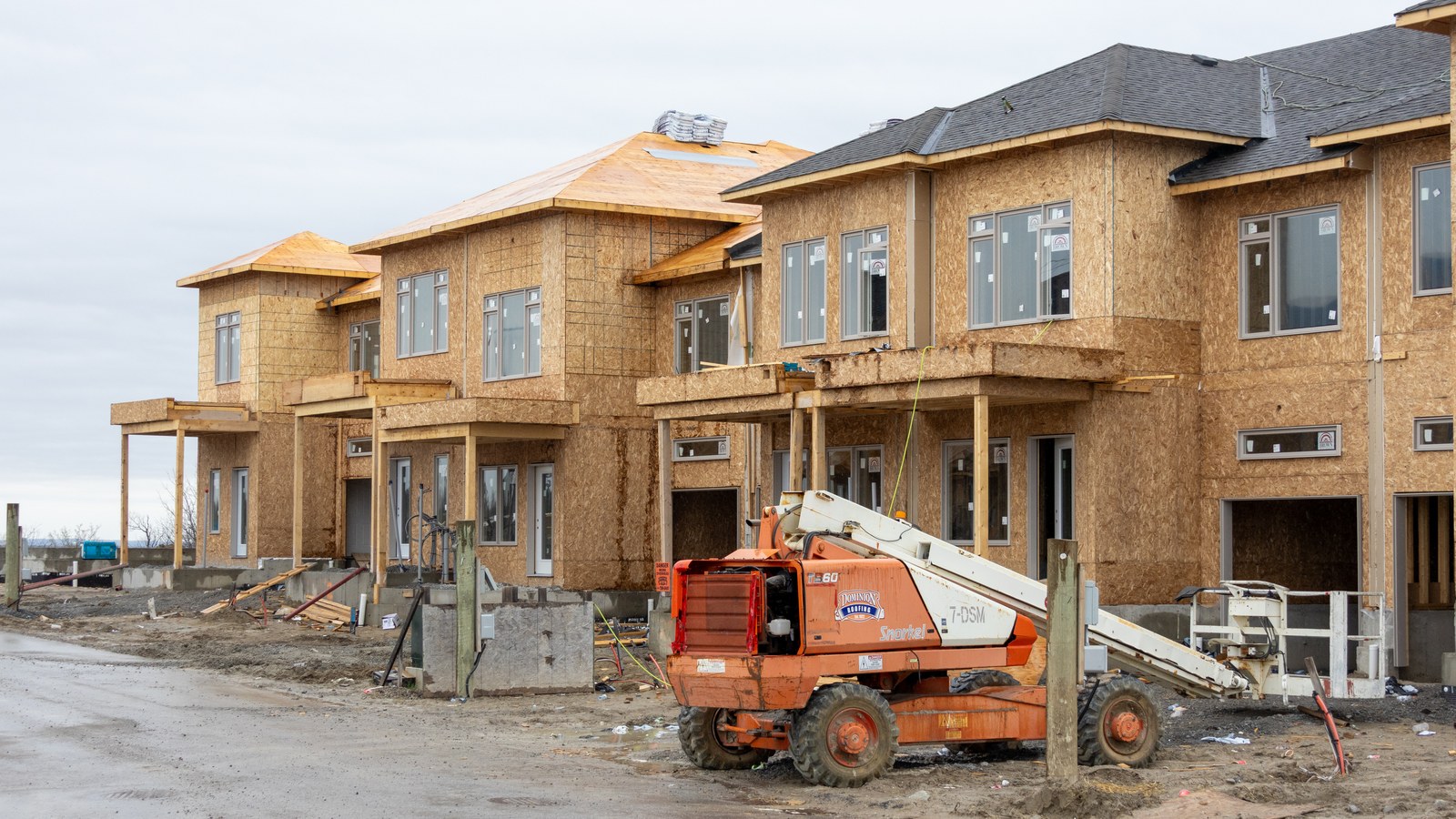
Yet beneath falling prices sits an uncomfortable supply trap. Data released by the Housing Industry Association (HIA) in November shows new-home sales slumping sharply as high borrowing costs and elevated construction expenses stall private residential starts. Fewer detached and multi-unit completions in 2027 mean that once the RBA eventually pivots to rate cuts, tight physical supply and strong population demand could reignite rental pressure fast.
| Indicator (Nov 2026) | Current Reading | Primary Market Impact |
|---|---|---|
| RBA Official Cash Rate | 4.85% (effective Nov 4) | 5th hike of 2026; tightens mortgage serviceability ceilings |
| Annual Headline Inflation | 4.3% (Sept quarter) | Delays RBA target-midpoint return forecast to mid-2028 |
| Capital-City Price Outlook | 10%–14% peak-to-trough est. | Brisbane, Perth, and Adelaide cooling after earlier rapid gains |
| New Home Sales Pipeline | Sharp late-2026 slump | Threatens 2027–2028 housing completions and rental supply |
Practical Moves for Buyers and Homeowners Right Now
- Stress-test beyond today’s repayments: If you are buying with a pre-approval valid through early 2027, budget for at least one additional rate buffer rather than stretching to your maximum borrowing ceiling.
- Negotiate aggressively on days-on-market: In suburbs where listings are lingering past 45 days, conditional offers, longer settlement windows, and building-inspection repairs carry far more leverage than they did eighteen months ago.
- Audit your current mortgage rate: Existing borrowers who haven’t repriced in 12 months often sit 40–70 basis points above new-customer offers; requesting a rate review or offset restructuring delivers immediate cash-flow relief.
Winners and Losers Across Regional and Capital-City Submarkets
Not every postcode is absorbing the 4.85% cash rate equally. Outer-ring suburbs with high concentrations of recent first-home buyers carrying 85%–90% loan-to-value mortgages are seeing sharper price softness and longer listing campaigns than established, tightly held inner suburbs where downsizers buy largely with equity. Meanwhile, investors relying on high leverage face shrinking gross rental yields compared with term-deposit returns—prompting modest selling in older strata apartments across Brisbane, Perth, and Melbourne, even as tight vacancy rates keep asking rents stubbornly high for tenants.
Policy uncertainty adds another layer of caution. Ongoing public debate in Canberra over negative gearing thresholds and capital-gains concessions has kept speculative investors on the sidelines, shifting market share slightly toward owner-occupiers who can wait out vendor price expectations.
The Bottom Line
Australia’s housing correction isn’t a 2008-style credit collapse—unemployment remains relatively contained and arrears remain manageable—but a 4.85% cash rate changes the math for everyone. Buyers with stable incomes and patient deposit timelines are gaining rare negotiating power, provided they respect higher holding costs and stay disciplined while the market searches for a 2027 floor.