When cooling or heating bills climb, most homeowners jump straight to expensive window replacements or a new AC unit. In practice, smaller targeted upgrades—weatherstripping, architectural window film, and attic or wall insulation—often deliver a much faster payback.
Quick ROI Comparison
| Upgrade | Typical Cost | Best Problem Solved | Typical Payback |
|---|---|---|---|
| Weatherstripping & Door Sweeps | $20–$80 (DIY) | Drafts around doors & operable windows | 1–3 months |
| Solar / Heat-Control Window Film | $150–$600+ | Afternoon sun glare & radiant heat gain | 6–18 months |
| Attic / Roofline Insulation | $500–$2,500+ | Heat radiating down from the roof | 1–3 years |
1. Weatherstripping: Always Start Here
Before spending hundreds on materials, run through a quick draft check—our guide to finding the air leaks that matter walks through how to spot gaps around door frames, window sashes, and utility penetrations. Sealing these leaks stops conditioned air from escaping immediately and costs next to nothing.
2. Architectural Window Film: Best for Sun-Facing Rooms
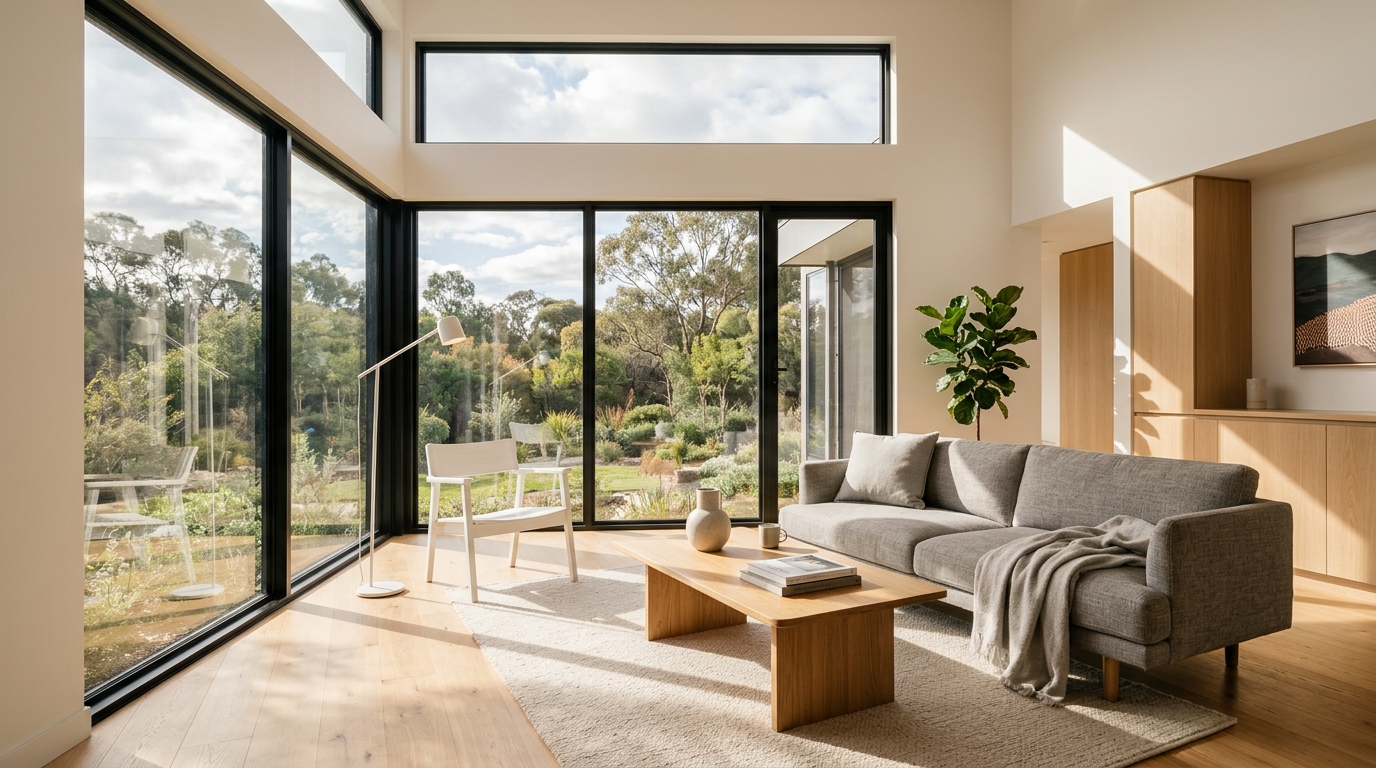
If a room feels like a greenhouse every afternoon despite the AC running, the issue is usually solar heat gain through glass—not air leakage. Quality solar-control window film blocks a large share of infrared heat and UV rays without the cost of replacing full window frames.
3. Insulation: Best for Top-Floor Heat
If you are evaluating an older home or preparing for a purchase—see our checklist on running a more useful property viewing—check roof and attic insulation early. Upgrading thin or missing insulation stabilizes indoor temperatures year-round and reduces strain on HVAC compressors.
Bottom Line
Seal air leaks with weatherstripping first, add solar window film on sun-baked glass second, and tackle insulation when you are ready for whole-home comfort.